Beneath the Baths of Trajan, Rome has opened a remarkable archaeological space preserving the Painted City, the Great Mosaic and traces of the city that existed before the imperial complex.
In September 2026, Rome reopened the south-western underground gallery of the Baths of Trajan after a major programme of restoration and archaeological enhancement.
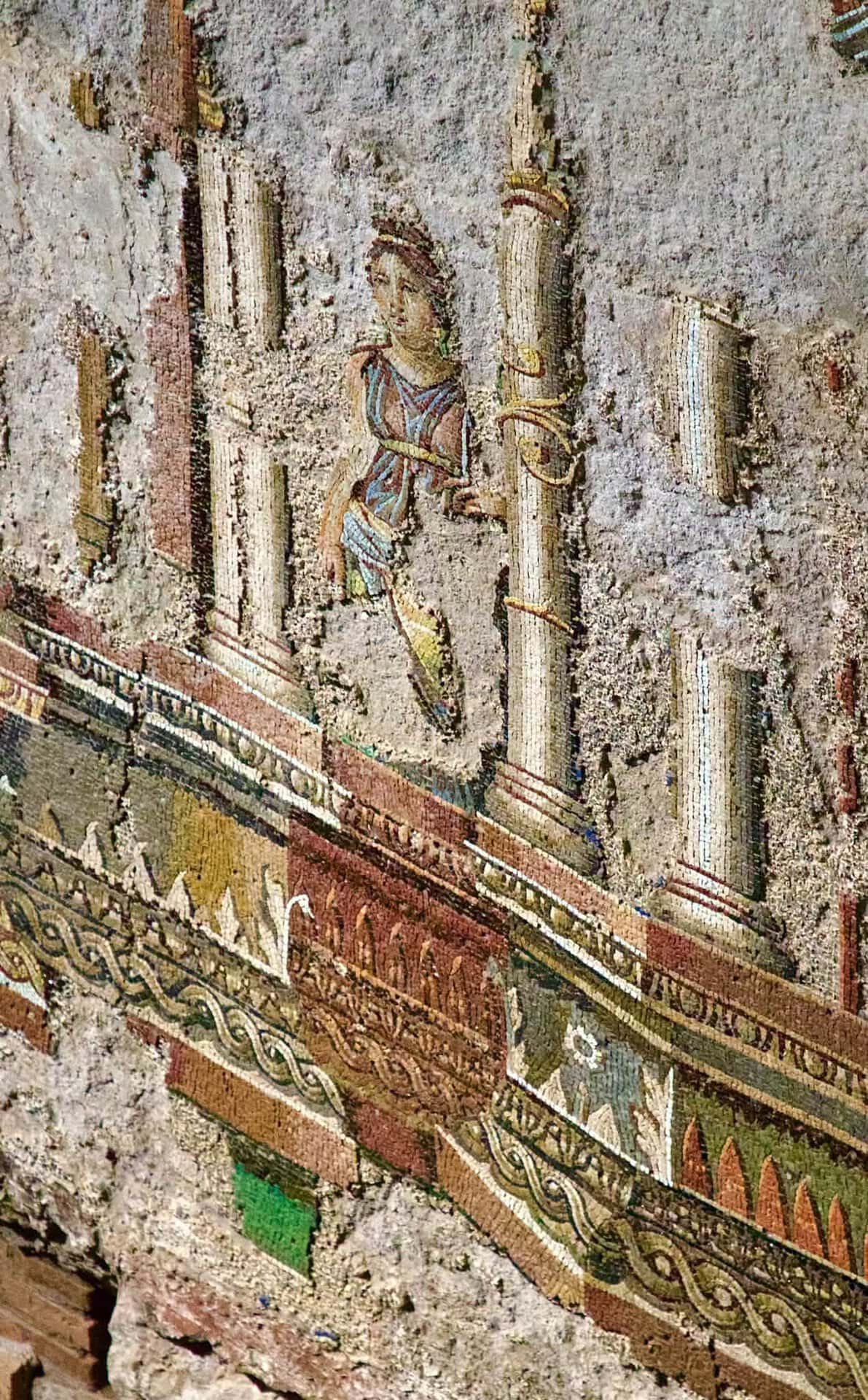
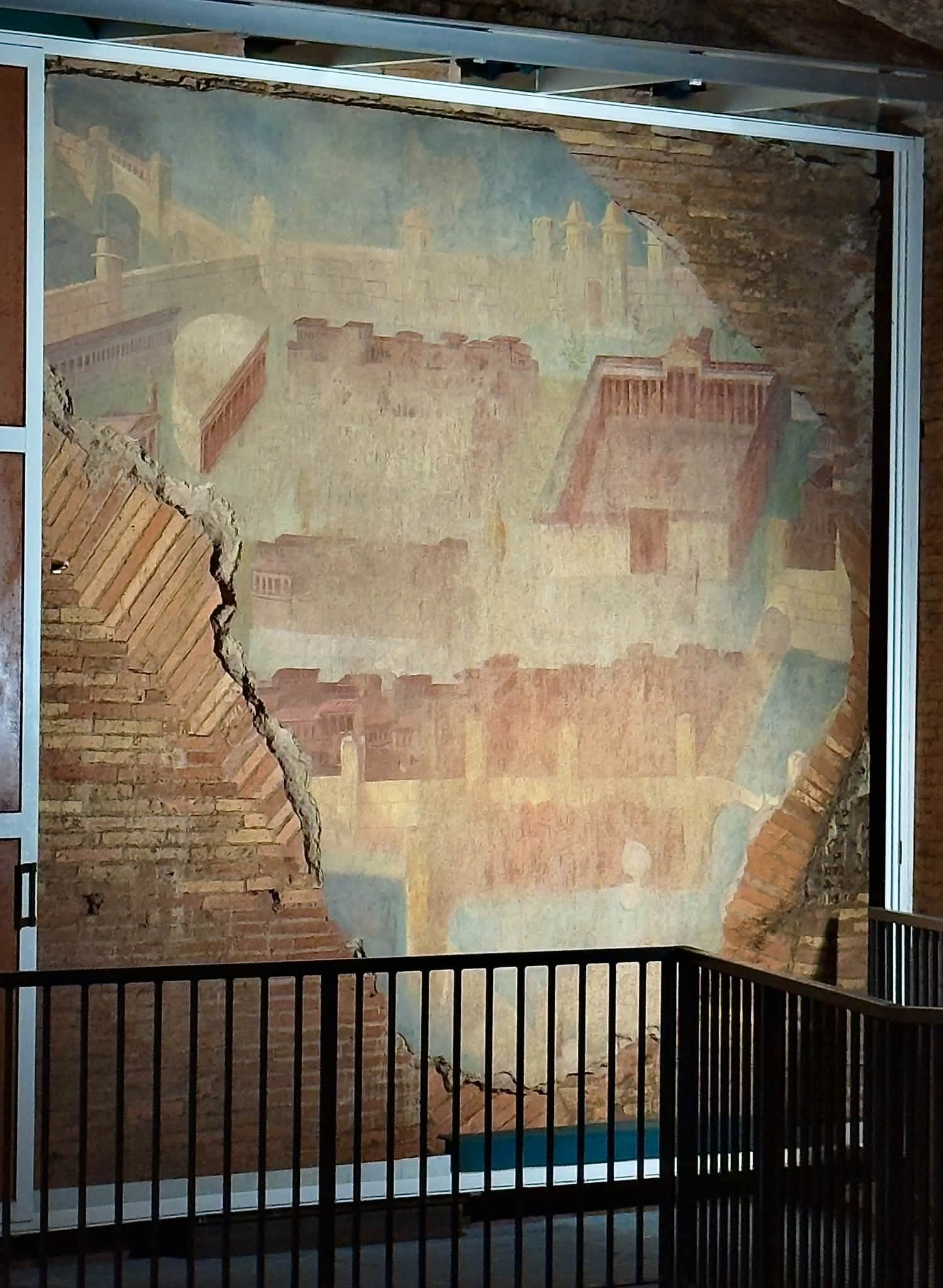
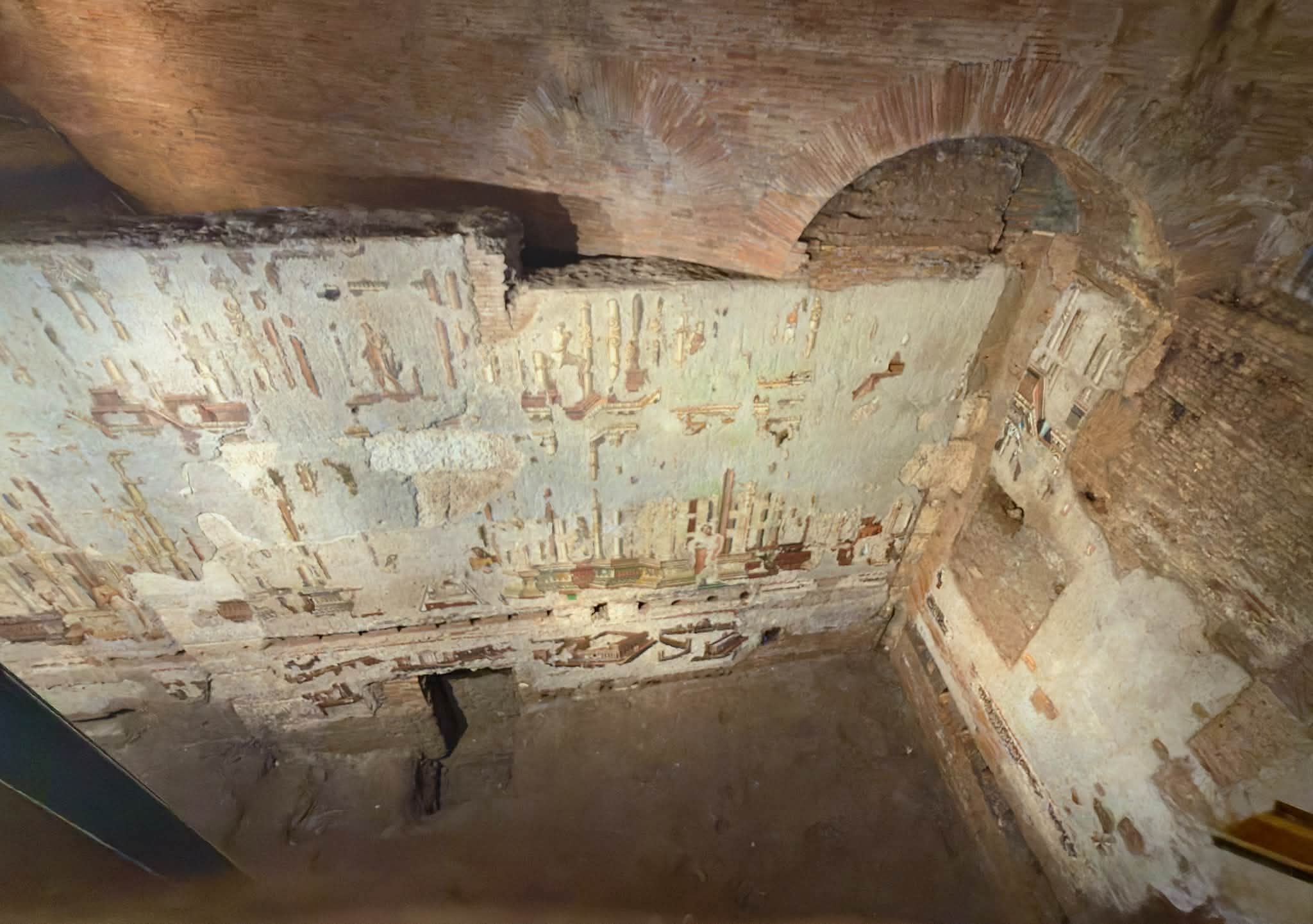
The intervention involved the monumental exedra above and the long underground gallery commonly known as the cryptoporticus. Inside are two extraordinary survivals: the fresco known as the Painted City and a monumental wall mosaic featuring architectural imagery, a Muse and a Philosopher.
But the most revealing detail is chronological. Parts of what visitors encounter underground do not belong to Trajan's baths at all. They preserve structures from an earlier city that the imperial complex later absorbed.
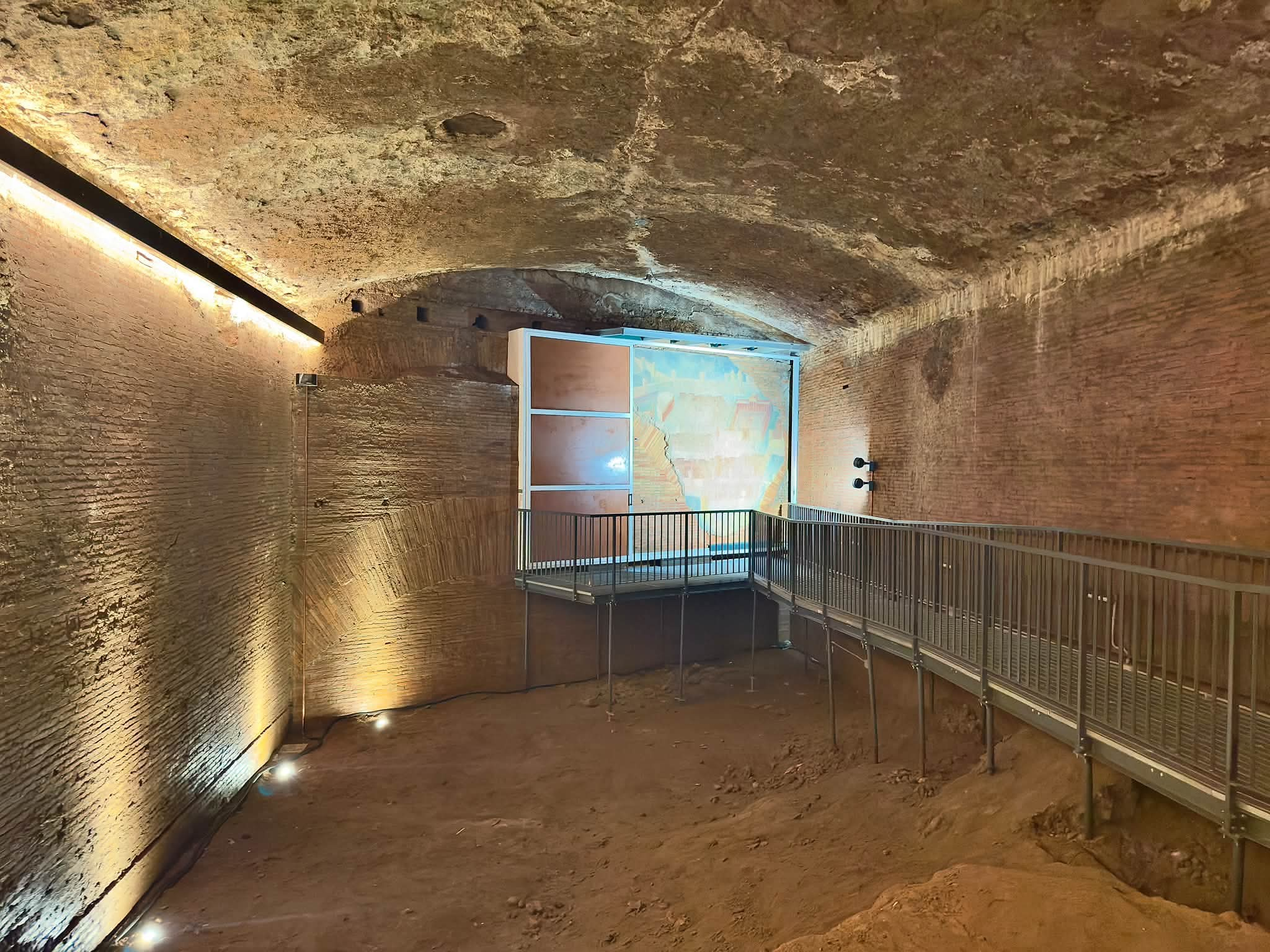
The south-western gallery lies below the enclosure of the baths, beneath the great exedra and its portico. Archaeological investigations revealed walls with a different orientation from the Trajanic structures built against them.
Those earlier walls belonged to a substantial building predating the baths, probably from the second half of the first century AD.
The Baths of Trajan were therefore not built on an empty hill. Their enormous platform incorporated and transformed an already occupied part of Rome.
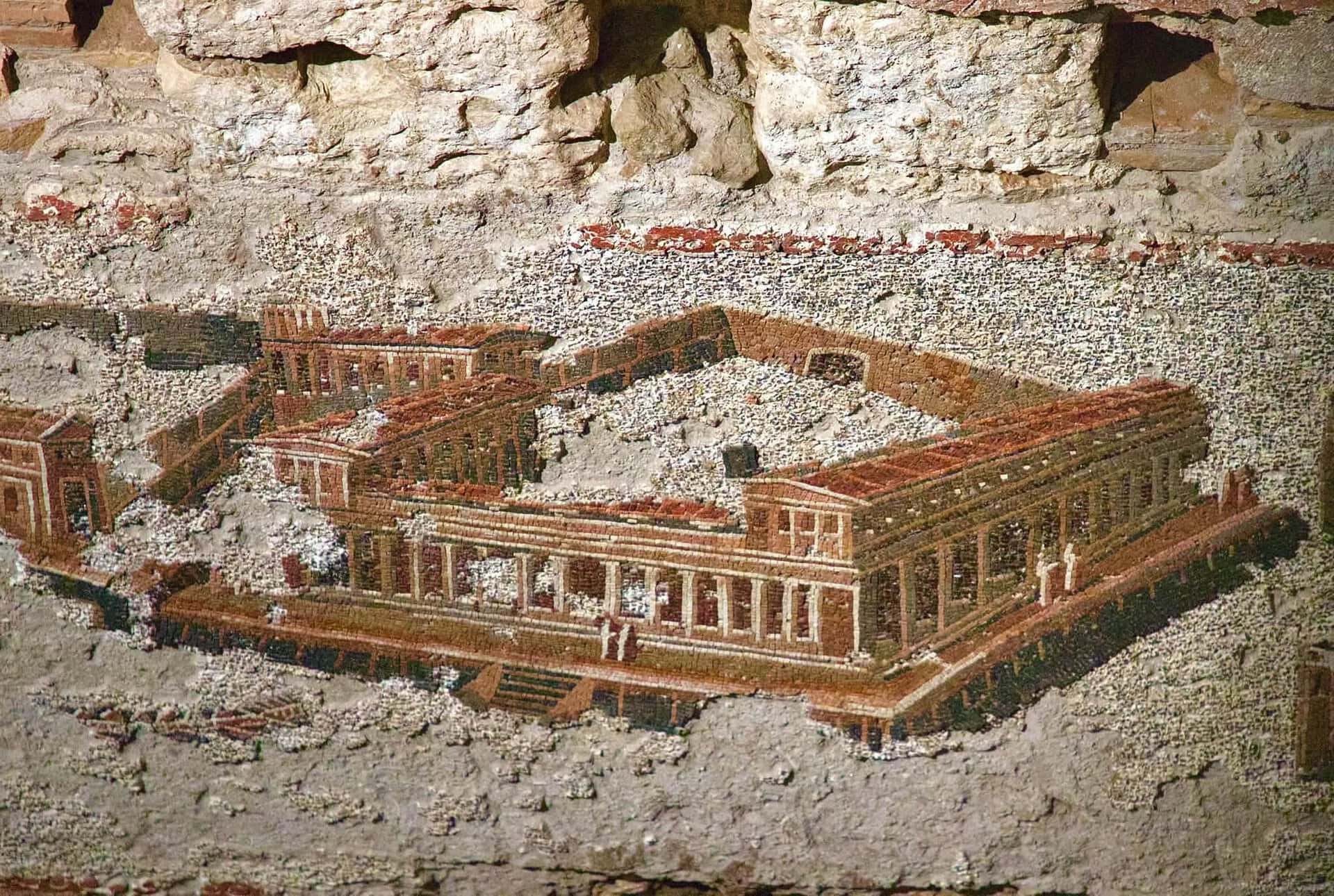
On the façade of the earlier building survives a large section of painted plaster showing a city enclosed by walls and towers. The image became known as the Città Dipinta — the Painted City.
The wall and its decoration predate the Baths of Trajan and are generally placed in the second half of the first century AD, in the Flavian period.
Its survival is the result of a paradox common to Rome: the later imperial construction that transformed the site also helped preserve fragments of what it replaced.
Instead of presenting a single archaeological period, the underground gallery allows the visitor to read several phases of the hill at once.
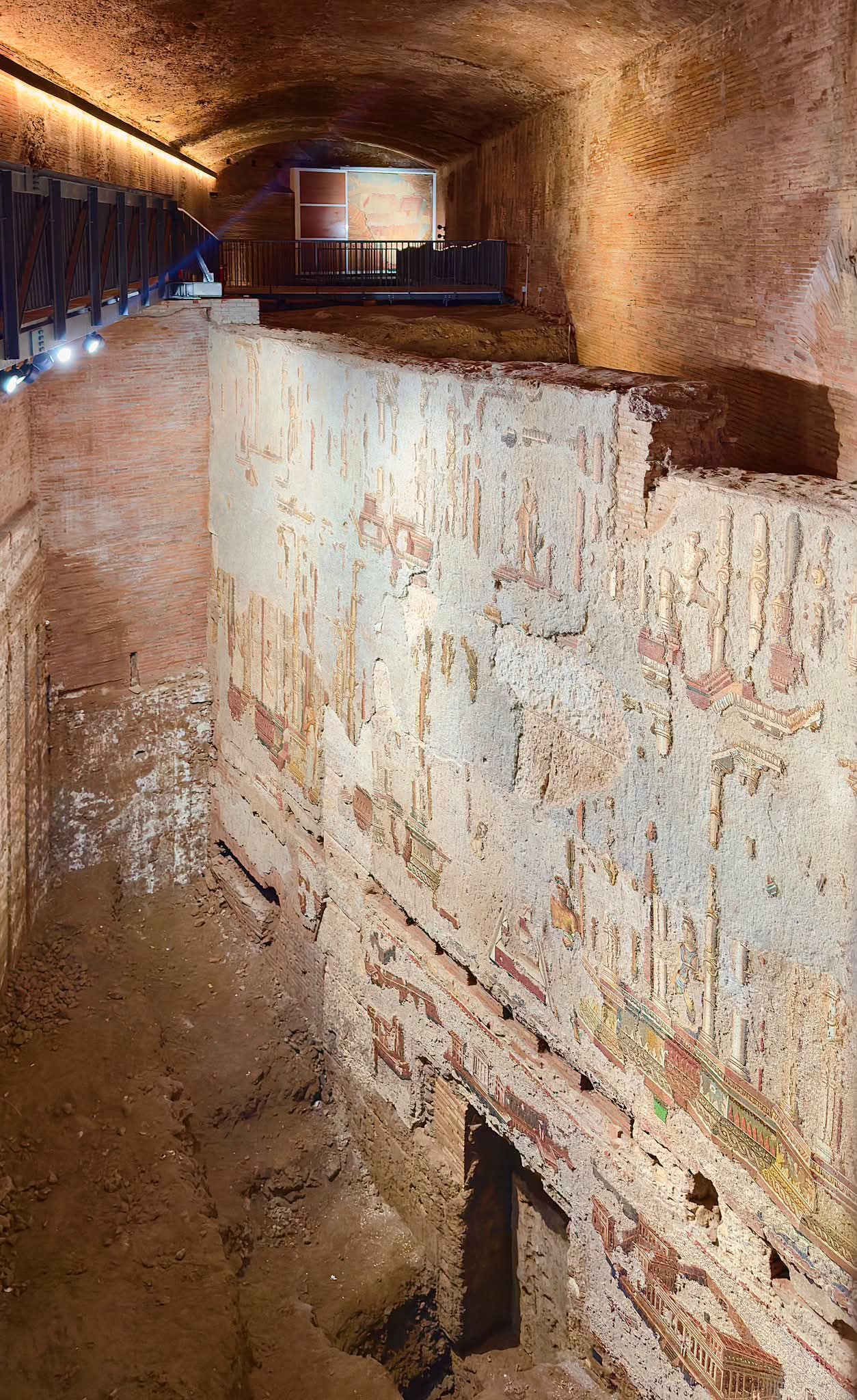
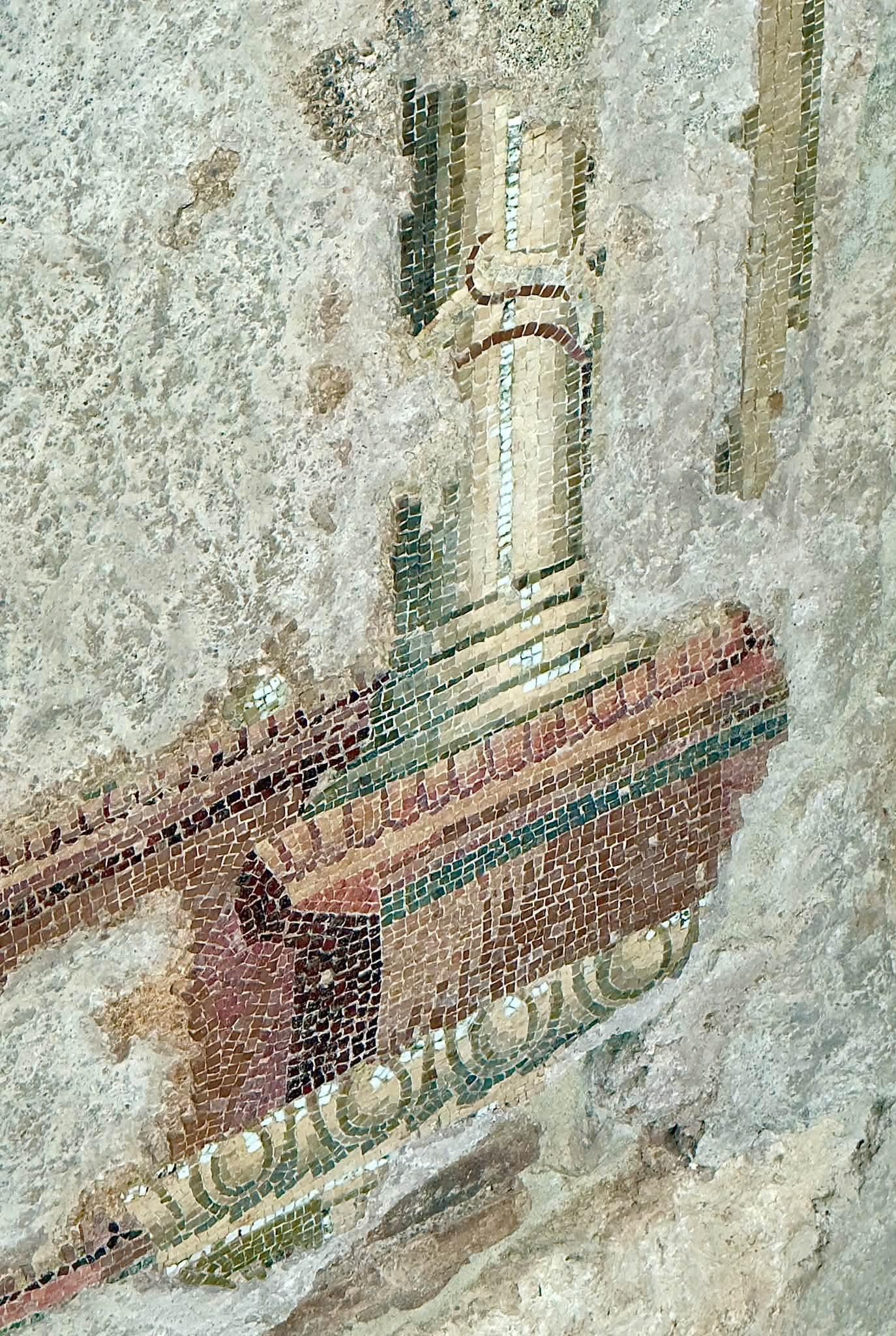
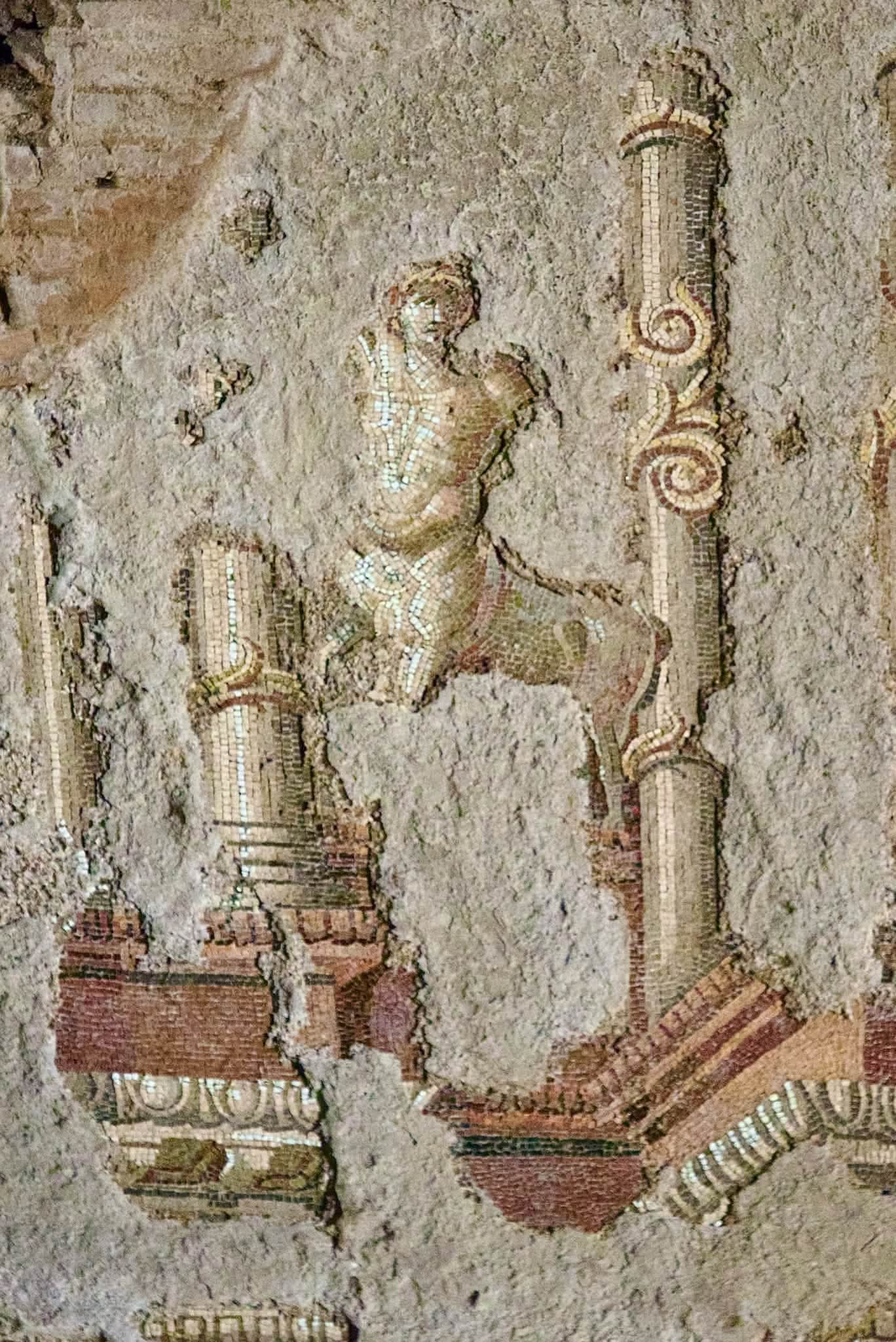
Elsewhere in the gallery, archaeologists identified another earlier structure preserving important remains of a wall mosaic.
The composition creates an architectural setting in perspective around figures interpreted as a Muse and a Philosopher. Restoration has made this exceptional decoration one of the central features of the newly accessible route.
The recent work has also expanded archaeological investigation and improved the conditions in which these delicate remains can be conserved and understood.
Inaugurated on 22 June 109 AD, the Baths of Trajan occupied roughly 60,000 square metres and were among the great architectural interventions of imperial Rome.
The complex was created under Emperor Trajan and traditionally associated with the architect Apollodorus of Damascus. It rose on a vast terrace on Colle Oppio and incorporated earlier structures, including parts connected with the area of Nero's Domus Aurea.
The complex was inaugurated during the reign of Trajan.
A monumental thermal and cultural complex occupying a vast section of Colle Oppio.
Pre-Trajanic buildings became part of the physical foundations of the later complex.
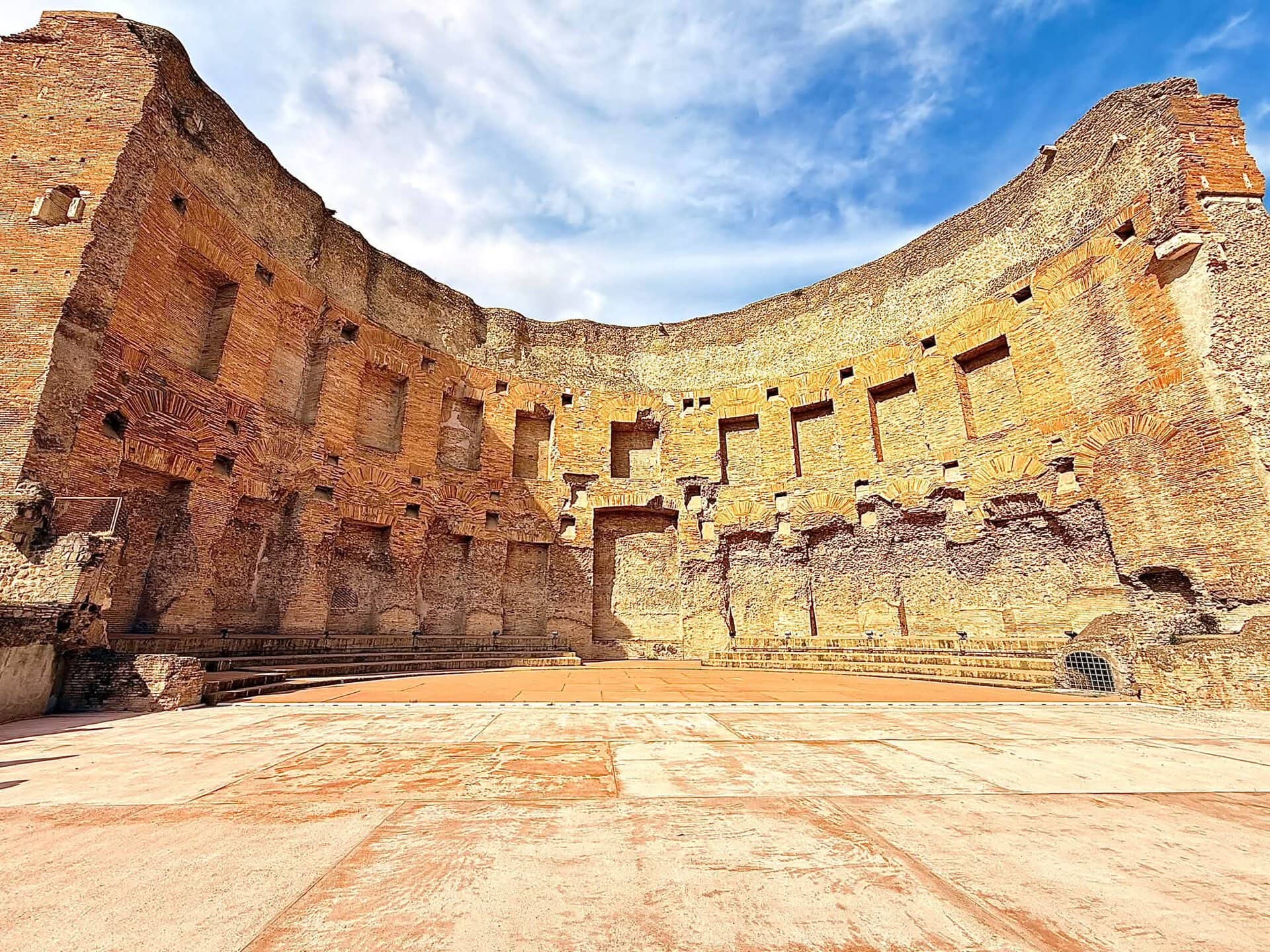
The restoration also involved the great south-western exedra, approximately thirty metres in diameter.
Its architectural arrangement suggests a cultural function: rows of niches may once have held cupboards for books and documents, while stepped seating could accommodate people attending readings and public gatherings.
This is an important reminder that a Roman bath complex was far more than a place to wash. Baths were spaces for exercise, sociability, leisure and culture — monumental pieces of urban infrastructure designed around public life.
The reopening gives visitors a rare opportunity to move between the monumental Rome of Trajan and physical evidence of the city that preceded it.
This is why the site matters beyond the novelty of a new opening. The underground gallery makes one of Rome's defining characteristics unusually easy to see: stratification.
Imperial architecture did not simply erase the past. Older buildings could be cut, filled, enclosed, reused as foundations and preserved inside later construction. What appears at street level as one monument may contain the remains of several different Romes.
The public opening begins experimentally so that the effect of visitors on the delicate archaeological remains can be monitored. Current arrangements are therefore deliberately limited. The experimental opening is scheduled to run from 14 September 2026 through 31 March 2027; availability and visitor arrangements may change after that date.
Ask us about arranging a private guide for the Baths of Trajan, with the option to combine the visit with the Domus Aurea, San Clemente or other underground sites nearby.
Access, dates and language arrangements depend on confirmed availability and each site's visitor rules.
Plan your private visitNew archaeological openings in Rome are valuable not because they add another item to a checklist, but because they can change how an existing monument is understood.
The Baths of Trajan have long been visible across Colle Oppio. The restored underground gallery changes the perspective: instead of looking only at what Trajan built, visitors can now encounter traces of what his enormous project encountered, absorbed and covered.
That is a different way of reading ancient Rome — not as a sequence of isolated monuments, but as a city continuously rebuilding itself.
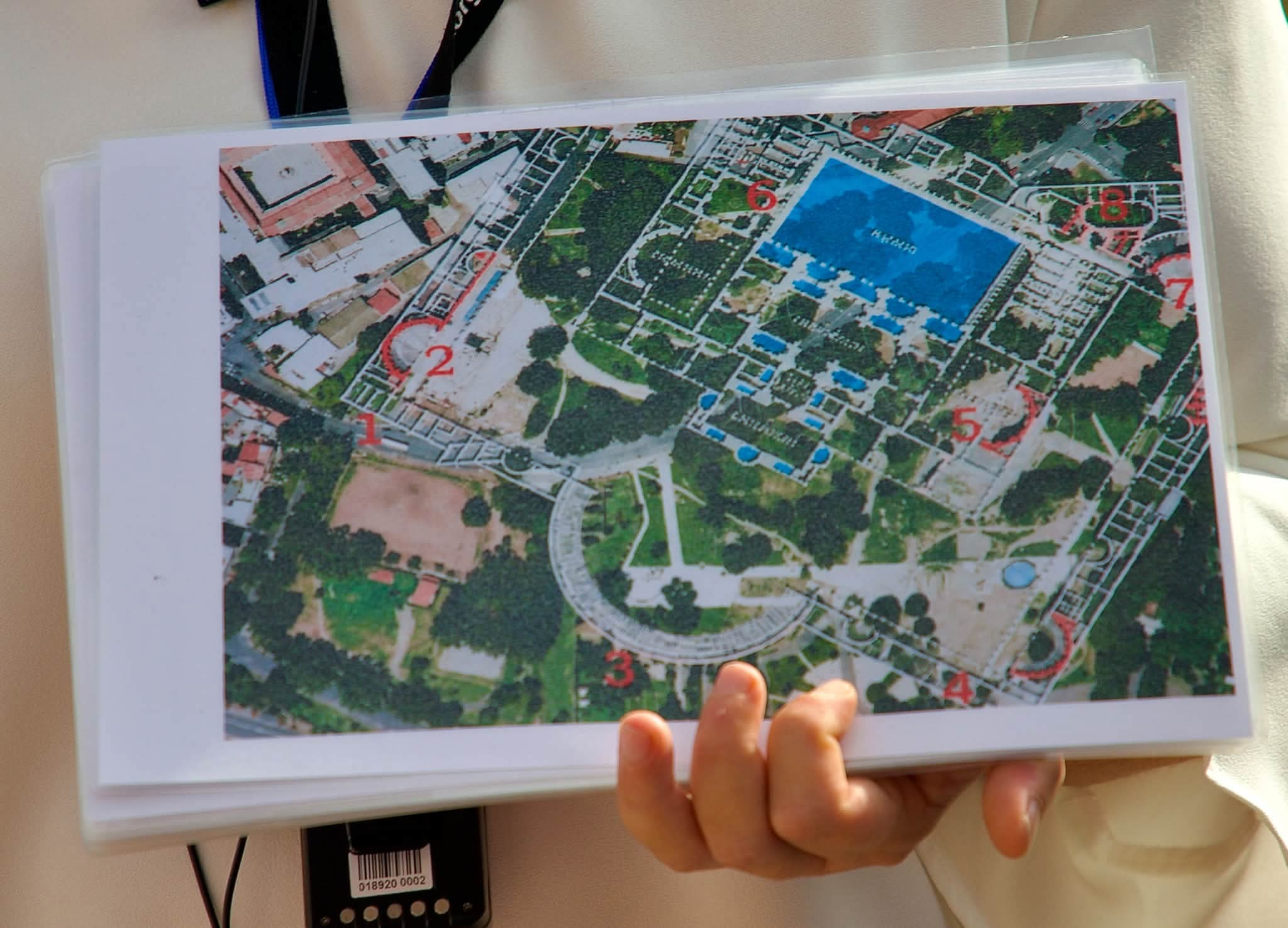
The exterior photographs show the archaeological complex on the Oppian Hill.
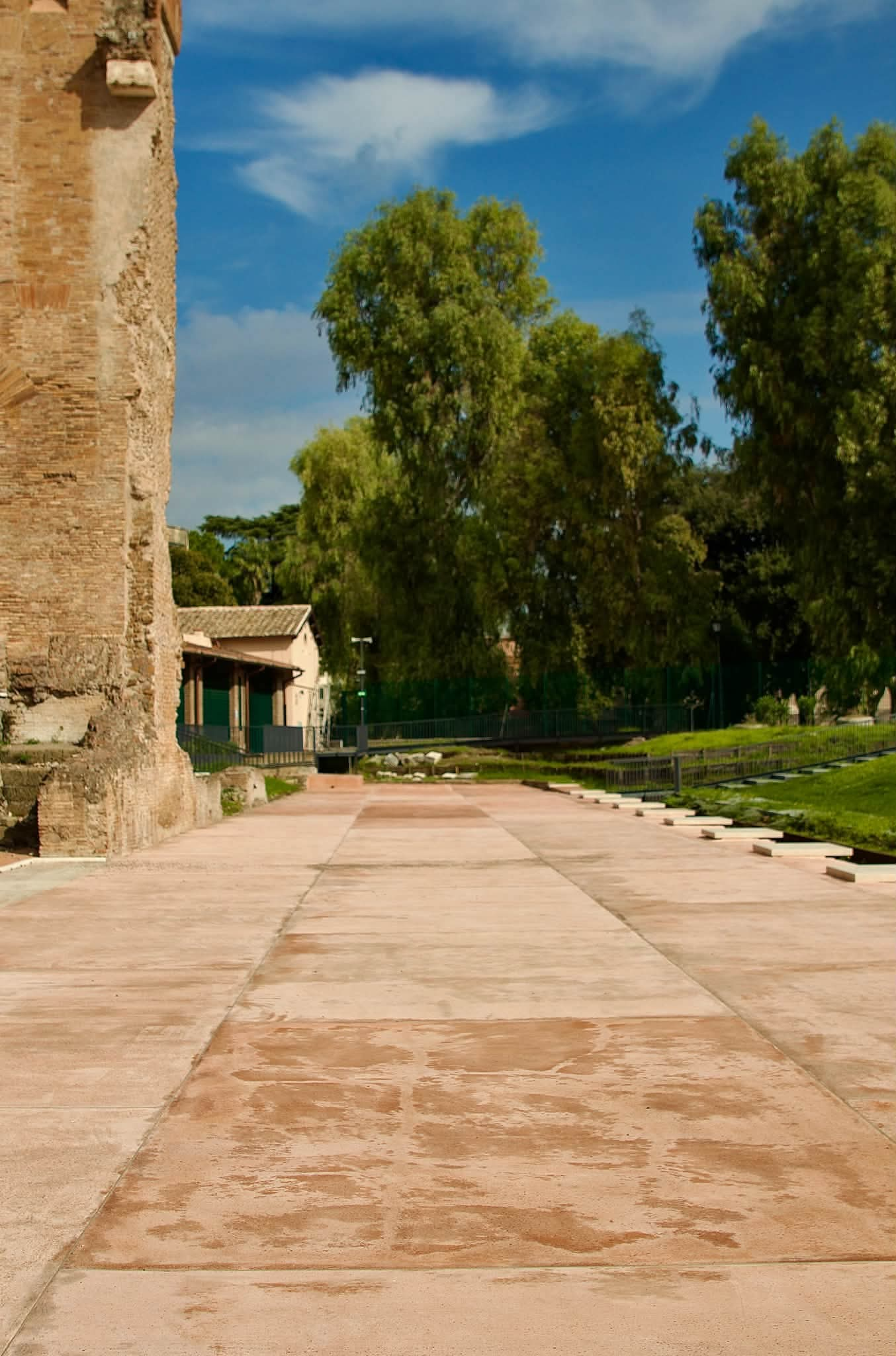
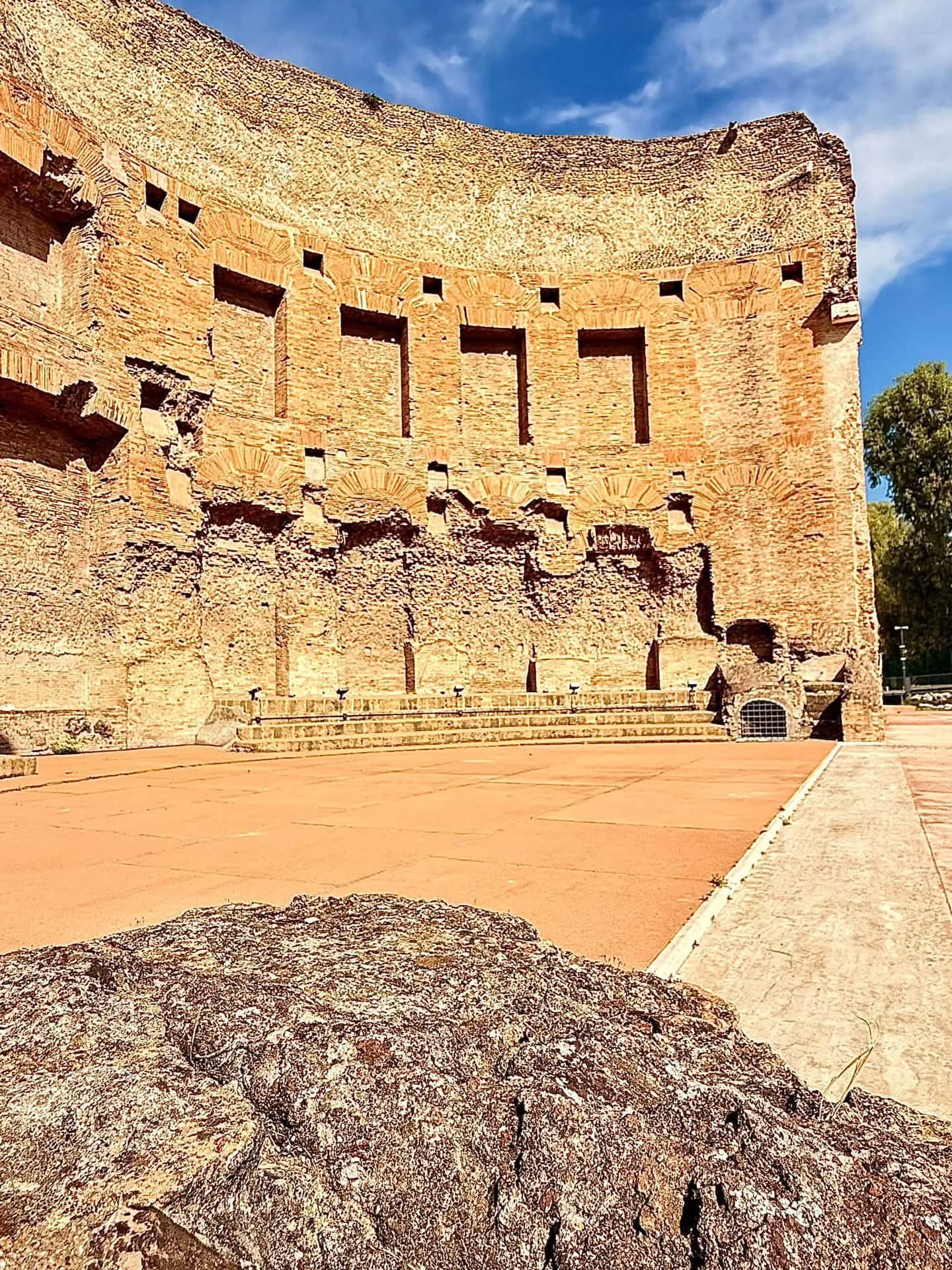
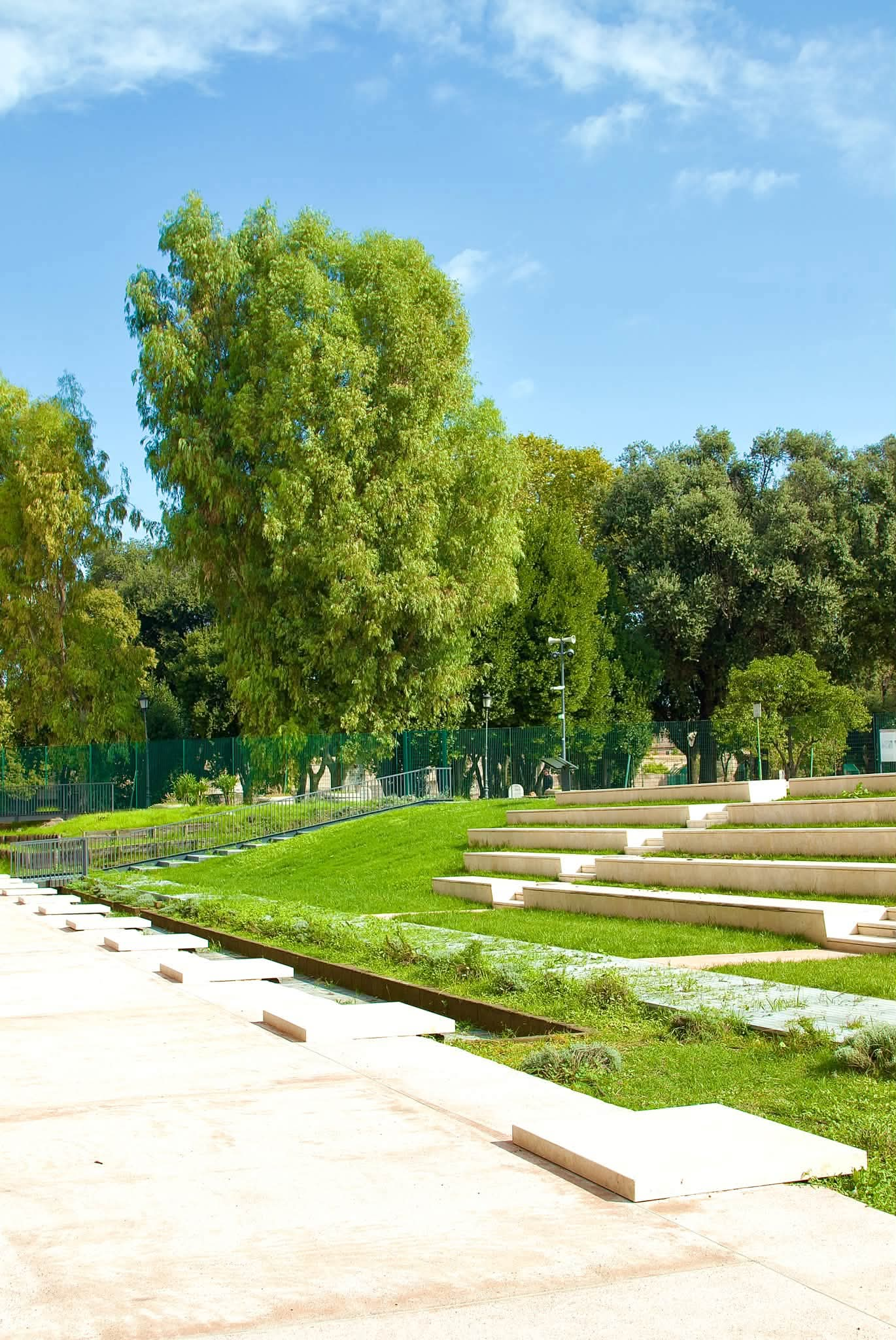
Views inside the underground spaces beneath the Baths of Trajan.
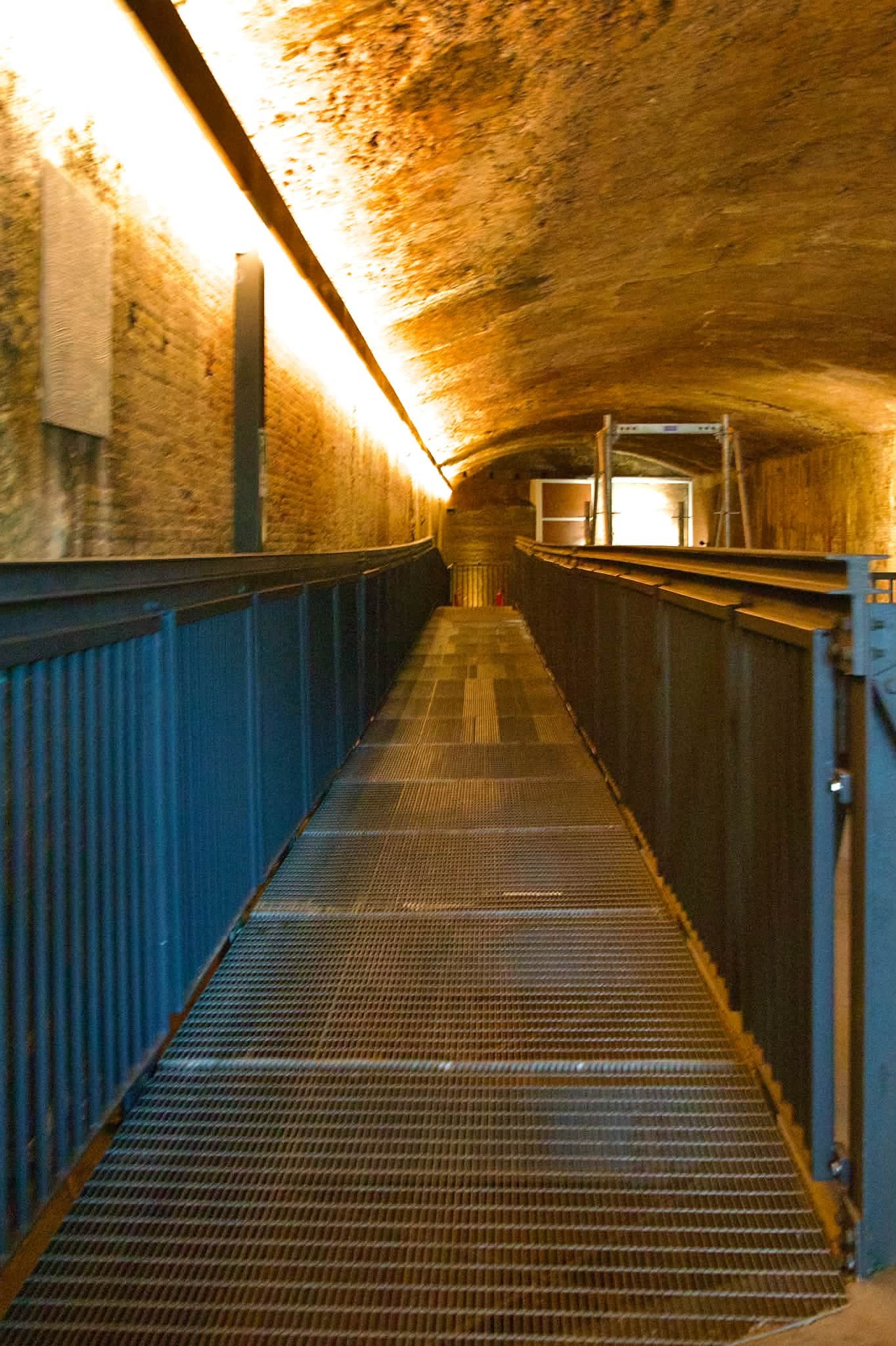
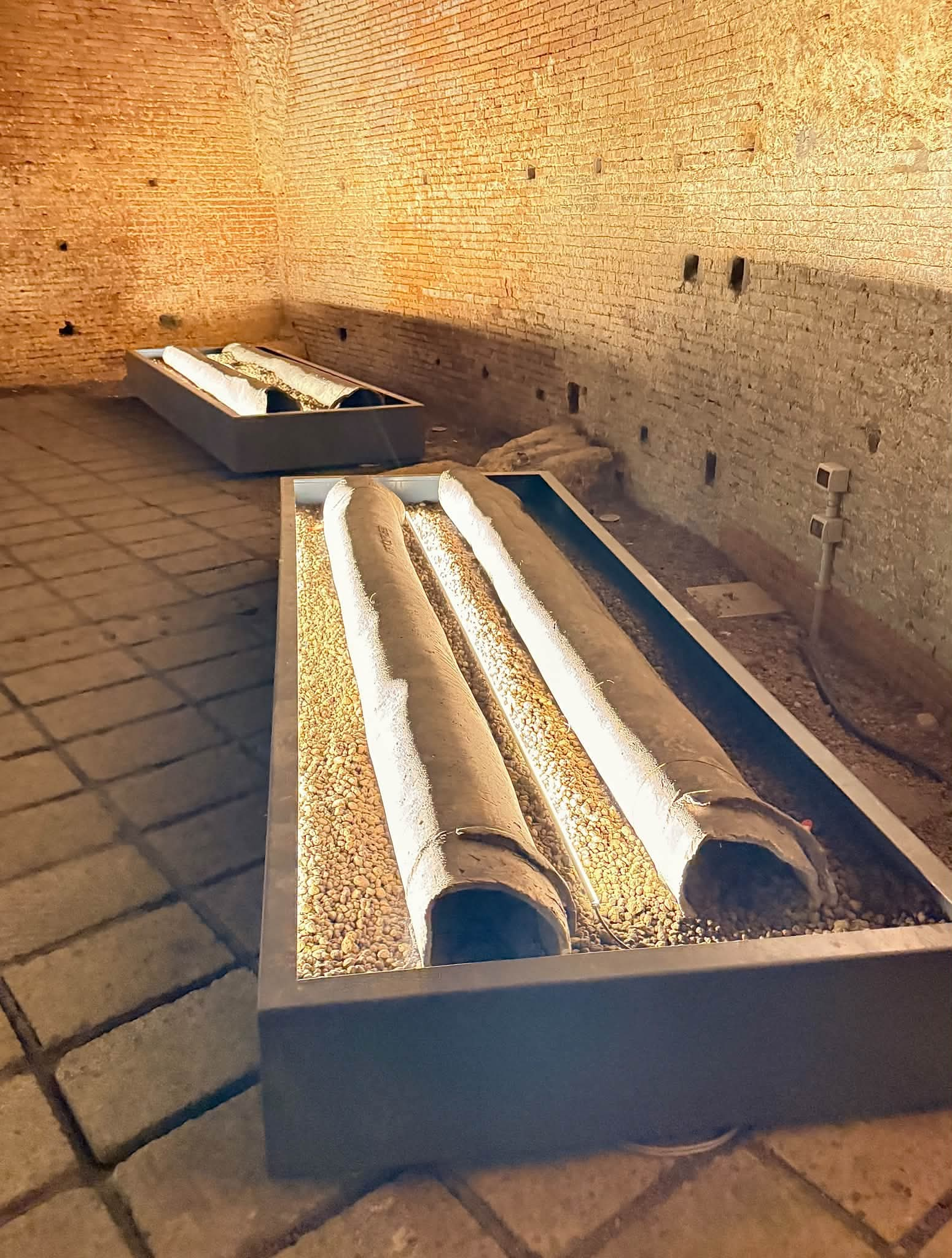
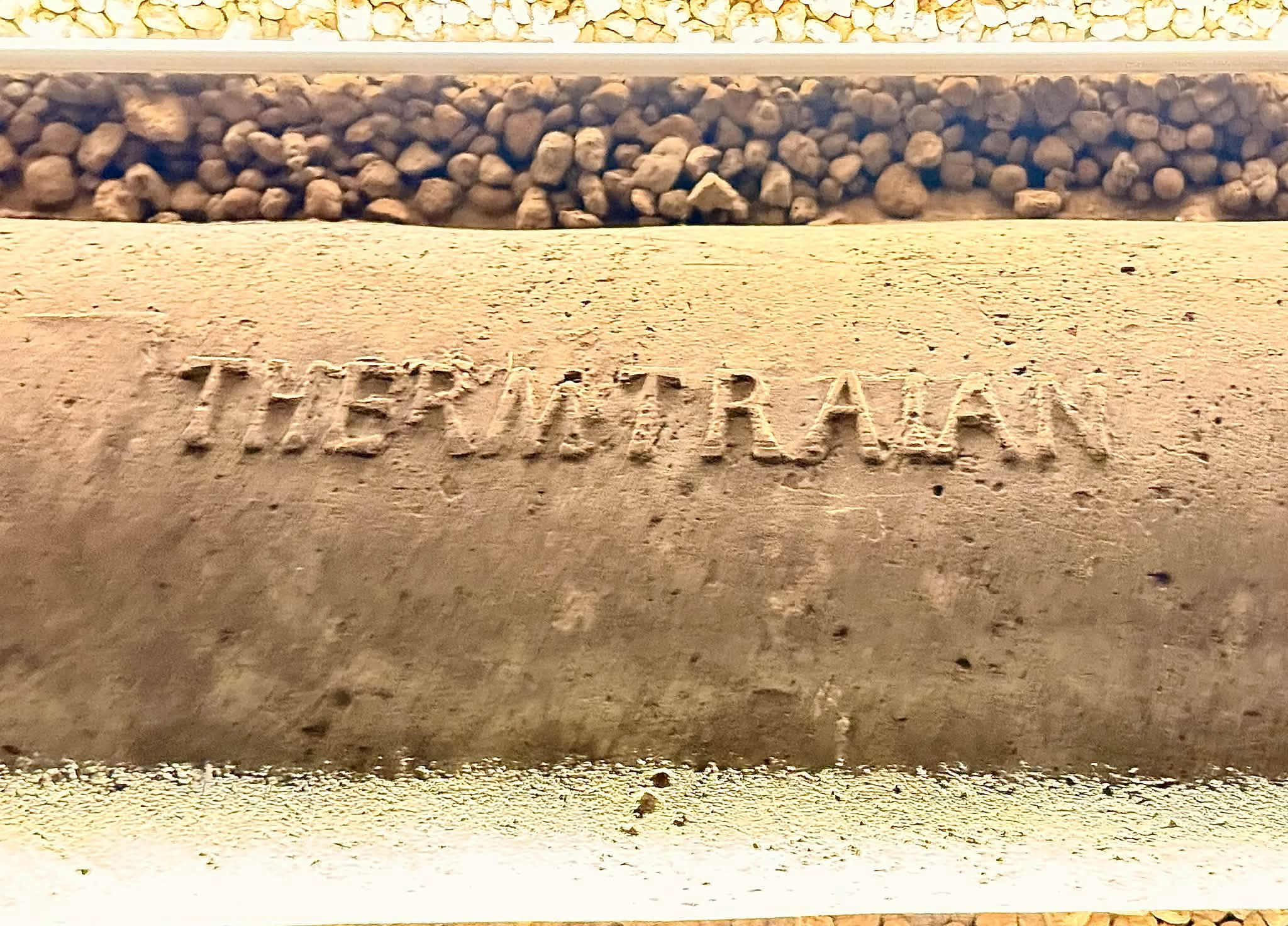
Architectural and archaeological details from the restored underground site.
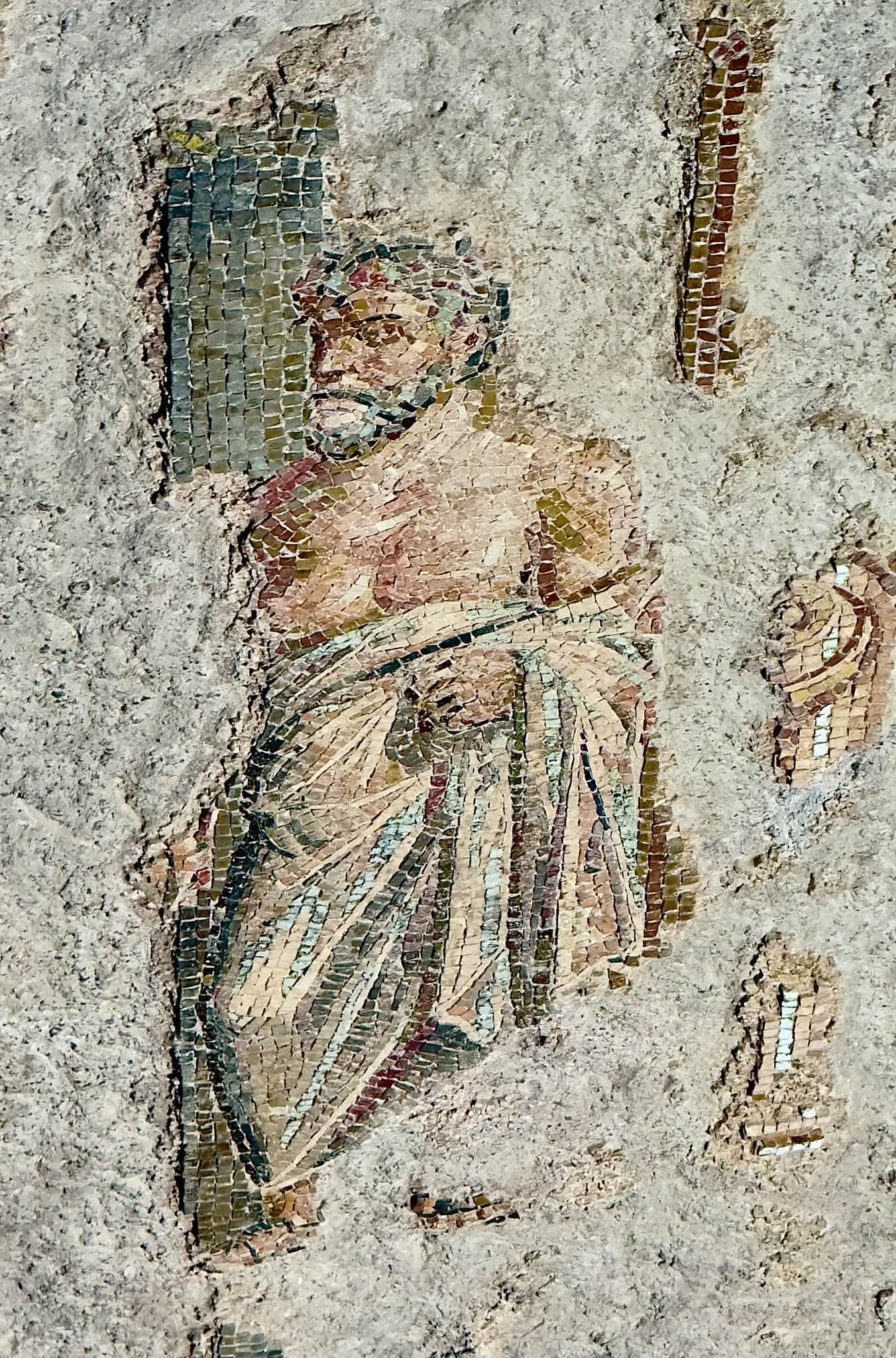
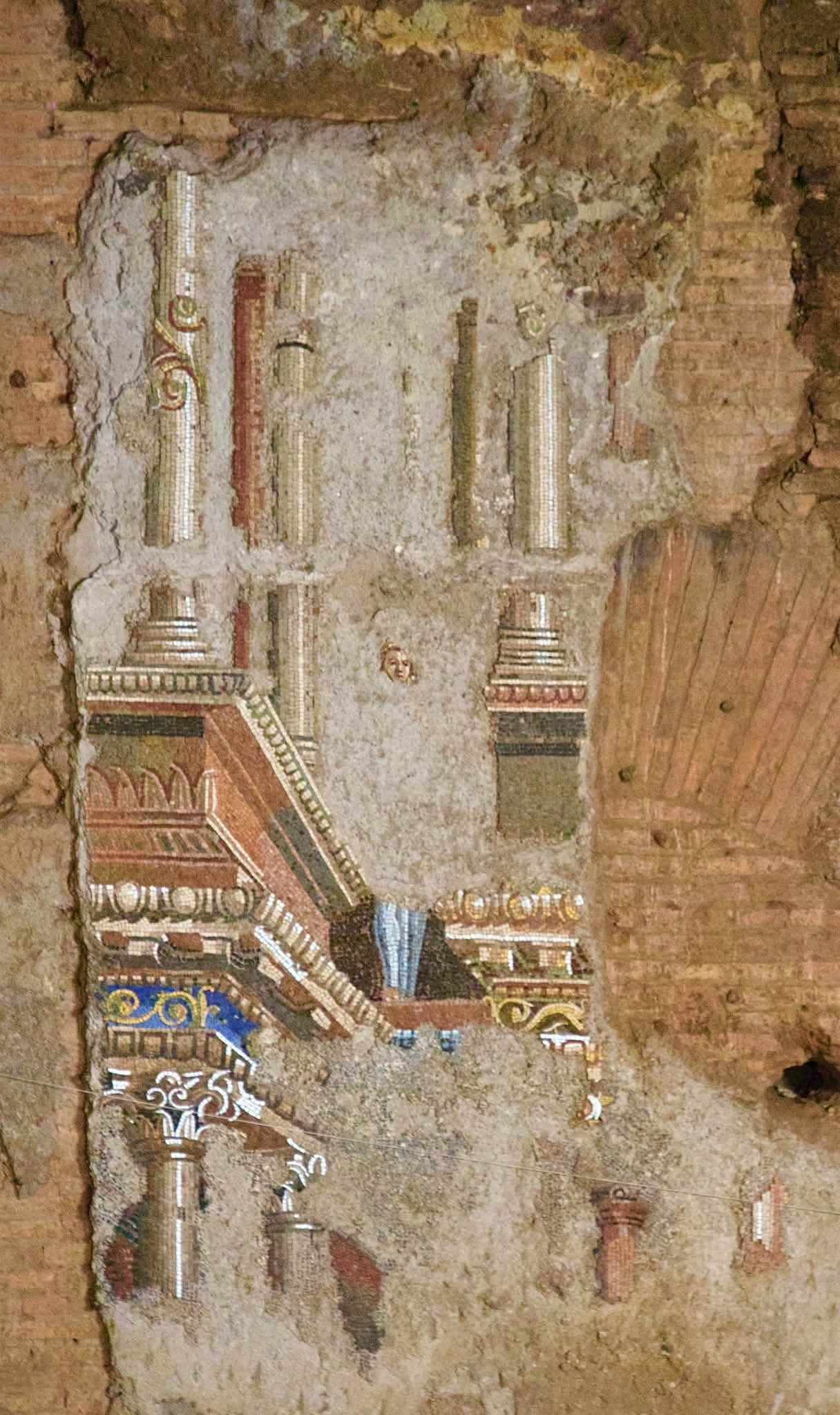
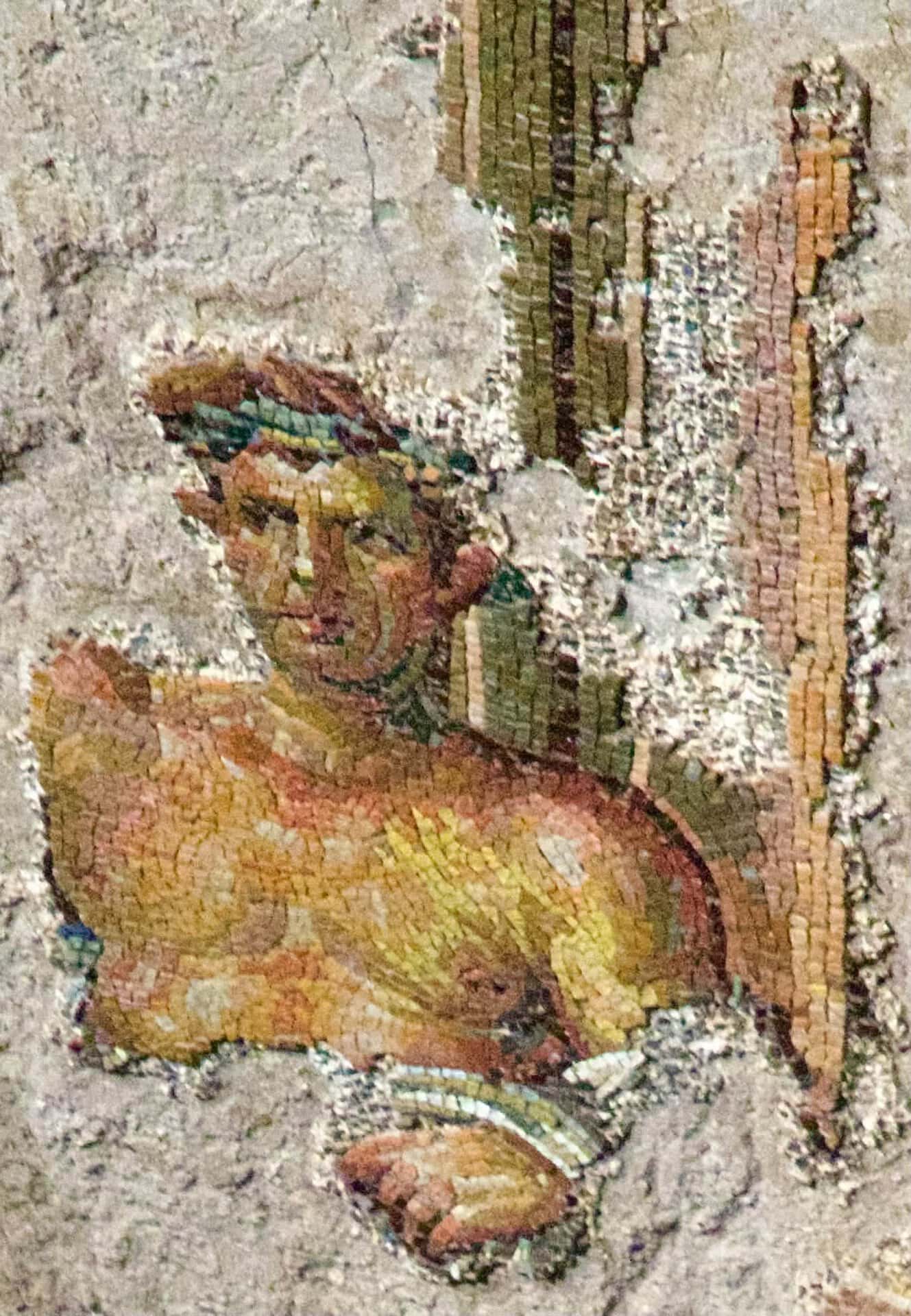
We document the archaeology, hidden spaces and layers that reveal how Rome was built — and rebuilt — across centuries.
Explore RPE Research