
Colosseum Private Tour
The Colosseum is more than the most recognisable monument in Rome.
It was a machine for spectacle, a statement of imperial power and one of the most ambitious public buildings of the Roman world.
A private tour allows visitors to move beyond the familiar image of gladiators and explore how the amphitheatre was designed, how audiences moved through it and why public entertainment mattered so deeply to Roman politics.
Choose a Colosseum-focused private visit or expand into the Roman Forum and Palatine Hill for a broader journey through Ancient Rome.
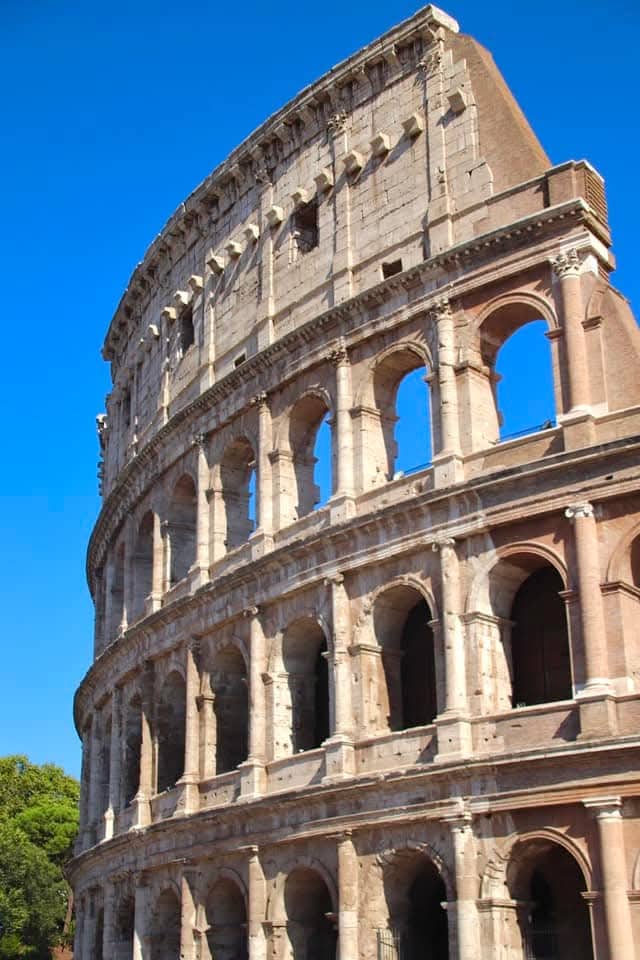
Almost two thousand years of history contained within one of the ancient world’s most ambitious buildings.
An Accredited Operator for the Colosseum Archaeological Park
Rome Private Experience is operated by Bellezze Tour di Avanzato Daniele, officially listed among the accredited partners of the Parco archeologico del Colosseo for 2026.
Our accredited operator status provides a direct professional relationship with the official visitor and access system of the archaeological park. Special areas and restricted routes remain subject to official availability, ticketing conditions and monument regulations.
Verify our accreditation on the official PArCo website →The Largest Amphitheatre of the Roman World
Construction began under Emperor Vespasian in the first century AD and the amphitheatre was inaugurated under his son Titus in AD 80.
Known in antiquity as the Flavian Amphitheatre, it was designed to accommodate tens of thousands of spectators.
Its elliptical plan, complex circulation system and enormous scale made it one of the most sophisticated entertainment buildings of antiquity.
Almost two thousand years later, the surviving structure still communicates the extraordinary ambition of Flavian Rome.
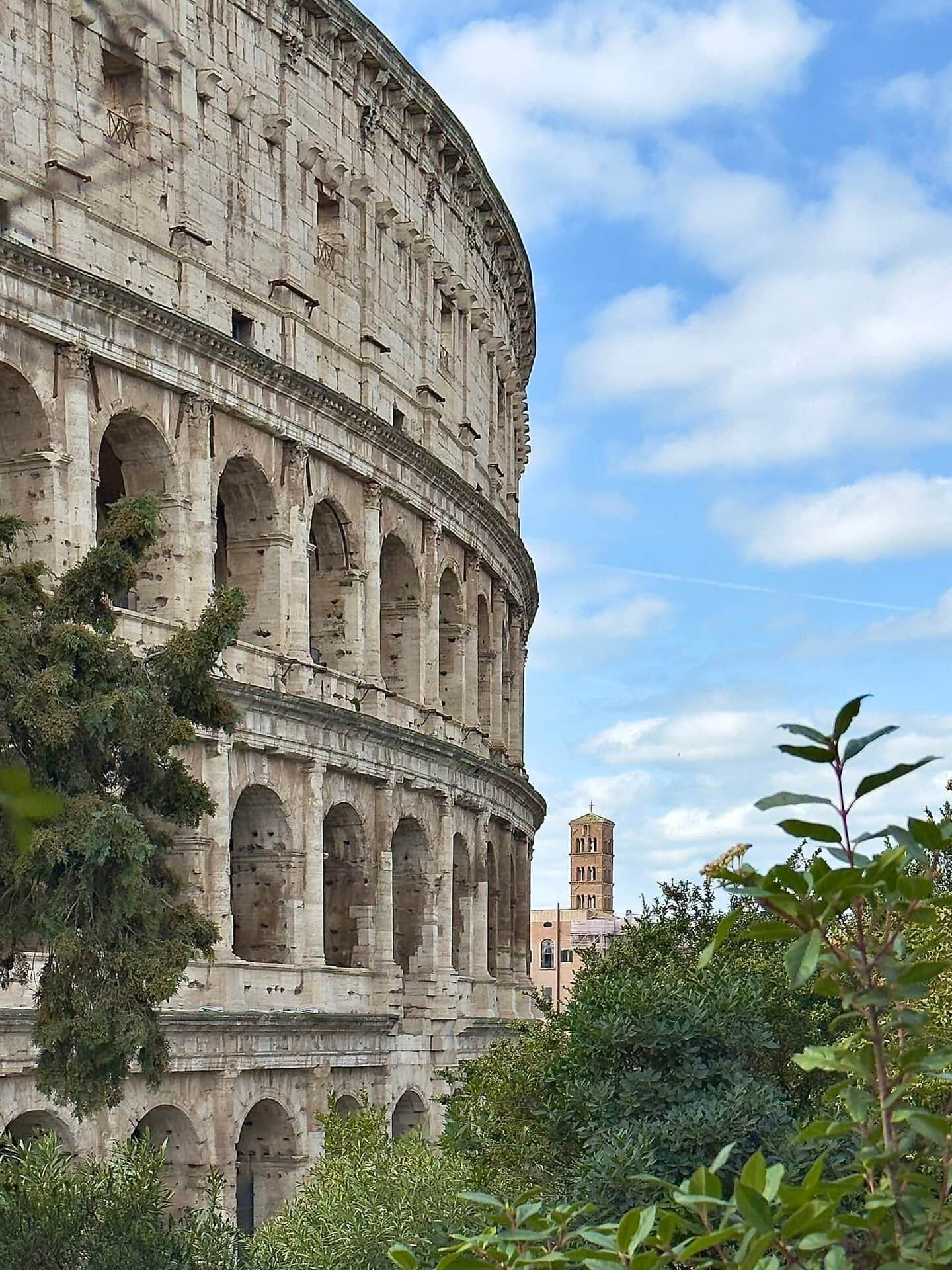
Scale, geometry and circulation transformed the amphitheatre into a remarkably sophisticated public building.
Why Is It Called the Colosseum?
The ancient Romans did not normally call the building the Colosseum.
Its formal name was the Flavian Amphitheatre.
The later name is generally connected with the colossal statue that once stood nearby, originally associated with Emperor Nero.
Although the statue disappeared, the memory of the “colossus” survived in the name eventually attached to the amphitheatre itself.
Gladiators, Animals and Roman Entertainment
Gladiatorial combat was only one part of the programme staged within the amphitheatre.
Audiences could also witness animal hunts, executions, ceremonial displays and other forms of public spectacle.
These events were not simply entertainment.
They communicated ideas about Roman power, conquest, social hierarchy and the generosity expected from emperors and political elites.
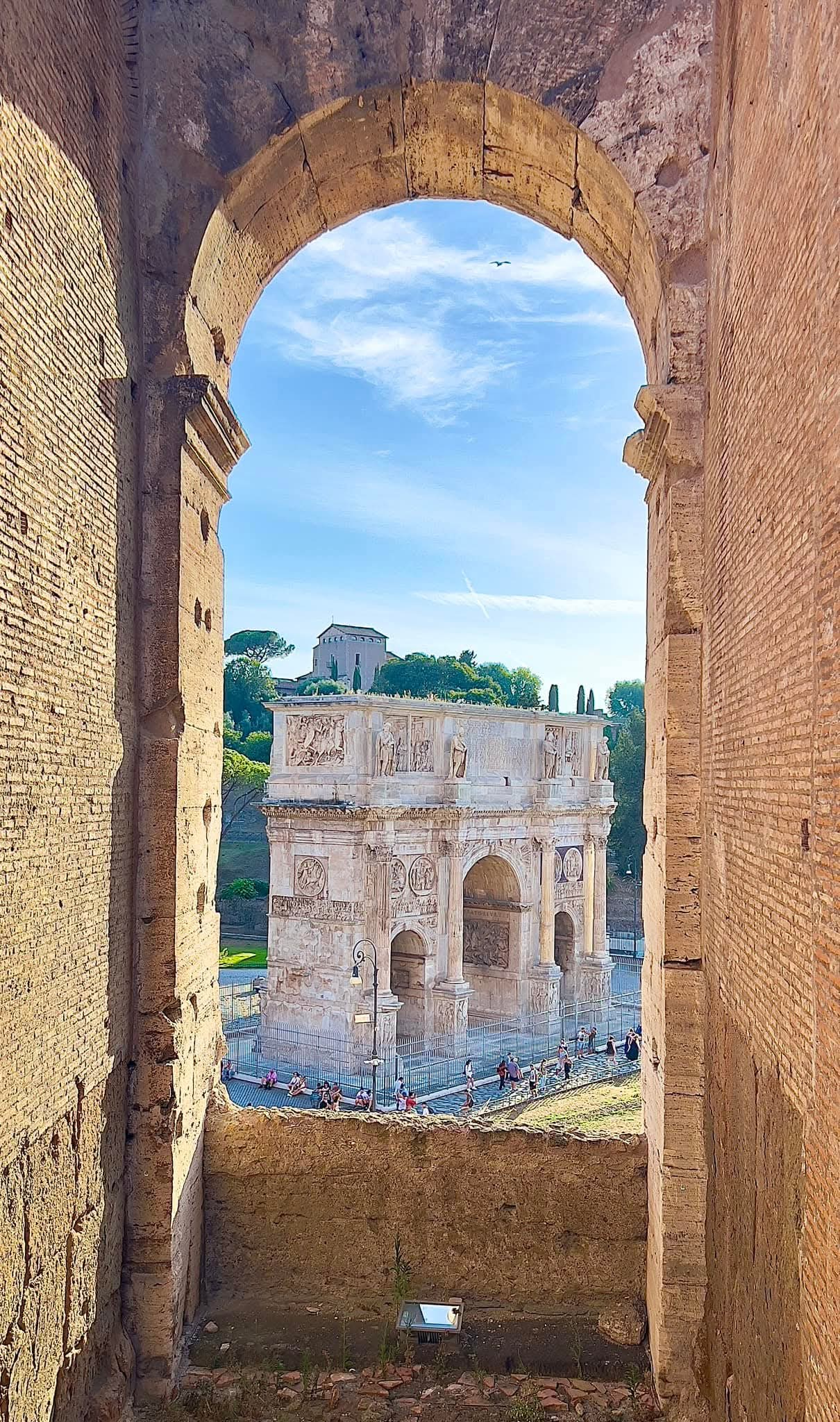
Roman entertainment was also a language of power, hierarchy and imperial generosity.
The Arena Floor
The arena was the central stage on which the Colosseum’s spectacles unfolded.
A reconstructed section of the floor now allows visitors with the appropriate access to experience the amphitheatre from its centre.
From this position, the tiers of seating rise around the visitor and the monument becomes easier to understand as a complete performance space.
For guests specifically interested in this perspective, explore our Colosseum Arena Floor Private Tour .
Colosseum Underground Tour: Inside the Hypogeum
Beneath the arena lies the hypogeum, the network of service corridors and operational spaces used during performances.
Trapdoors and lifting systems connected the hypogeum to the arena above, raising animals, performers and stage equipment into view. These corridors reveal the backstage organisation behind the spectacle.
Lifting devices, trapdoors and carefully organised backstage areas allowed the amphitheatre to produce complex visual effects.
Underground entry is an optional controlled-access visit: it requires the specific Full Experience ticket and a reservation, so it is not included in every private Colosseum tour. The Park’s published rules currently limit guided visits to six visitors plus the guide, who must book the tour. We verify the current route, rules and availability for your date before confirming this option. See the Park’s official guided-tour regulations.
★★★★★“The Colosseum Underground tour was especially memorable. I had spent quite a bit of time trying to secure tickets myself, and several other tour companies had tried unsuccessfully as well. Somehow, they managed to get us in! […] They took impeccable care of us. We would definitely book with them again!”
Dean V. · Google review
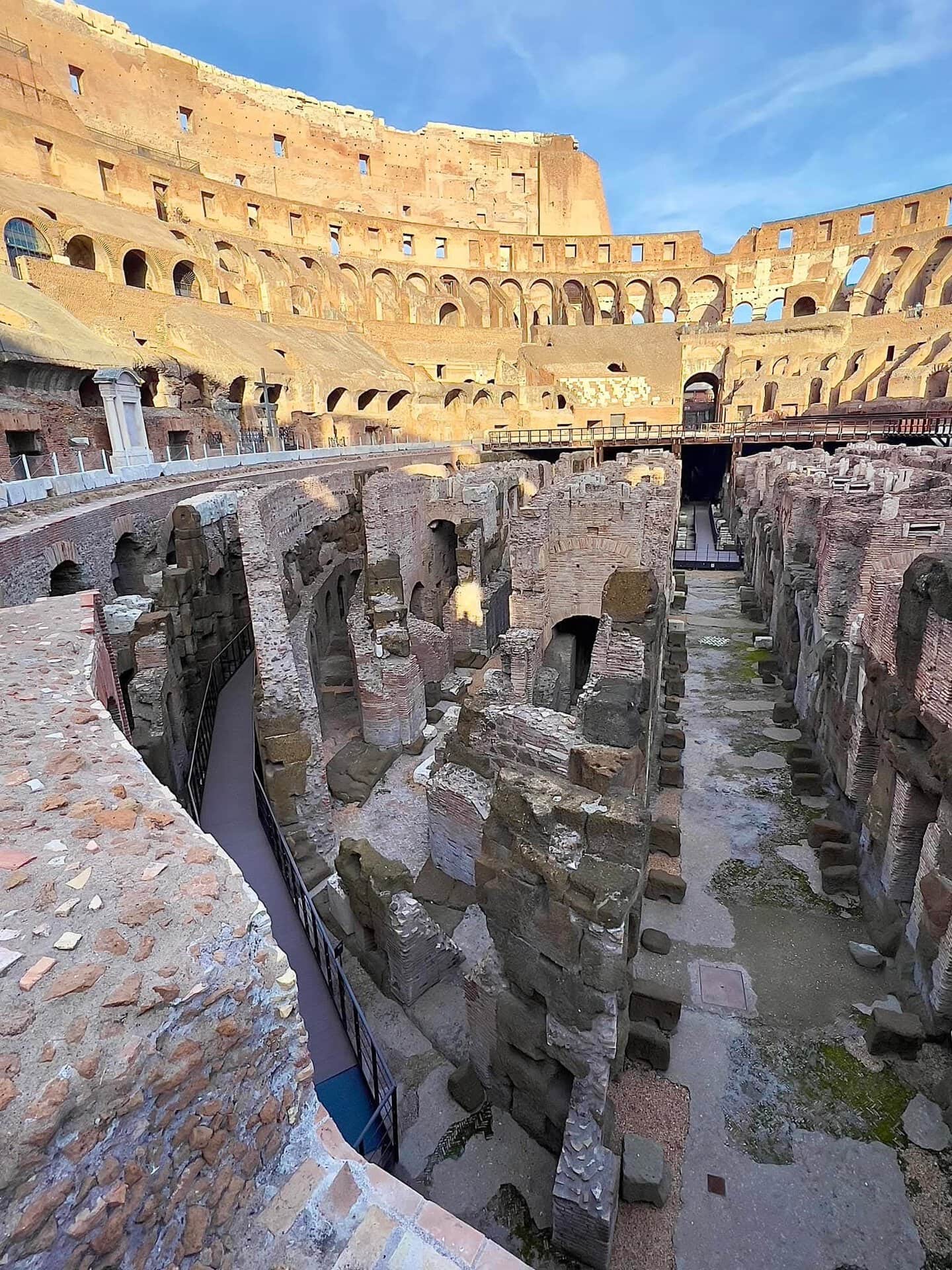
The visible monument depended on a hidden world of corridors, machinery and carefully organised backstage spaces.
The Colosseum and Roman Politics
Public entertainment played an important role in the relationship between emperors and the population of Rome.
Sponsoring games allowed rulers to demonstrate generosity, military success and control over resources.
Even the seating system expressed social hierarchy, organising spectators according to rank and status.
The Colosseum therefore functioned as both an entertainment venue and a highly visible expression of Roman social and political order.
Beyond the Colosseum
The amphitheatre cannot be understood entirely in isolation.
Nearby, the Roman Forum preserves the political and religious heart of ancient Rome, while the Palatine Hill reveals the world of imperial residences.
Together, the three archaeological areas tell a much broader story: spectacle, government, religion and imperial power within the same urban landscape.
For a more complete itinerary, explore our Ancient Rome Private Tour .
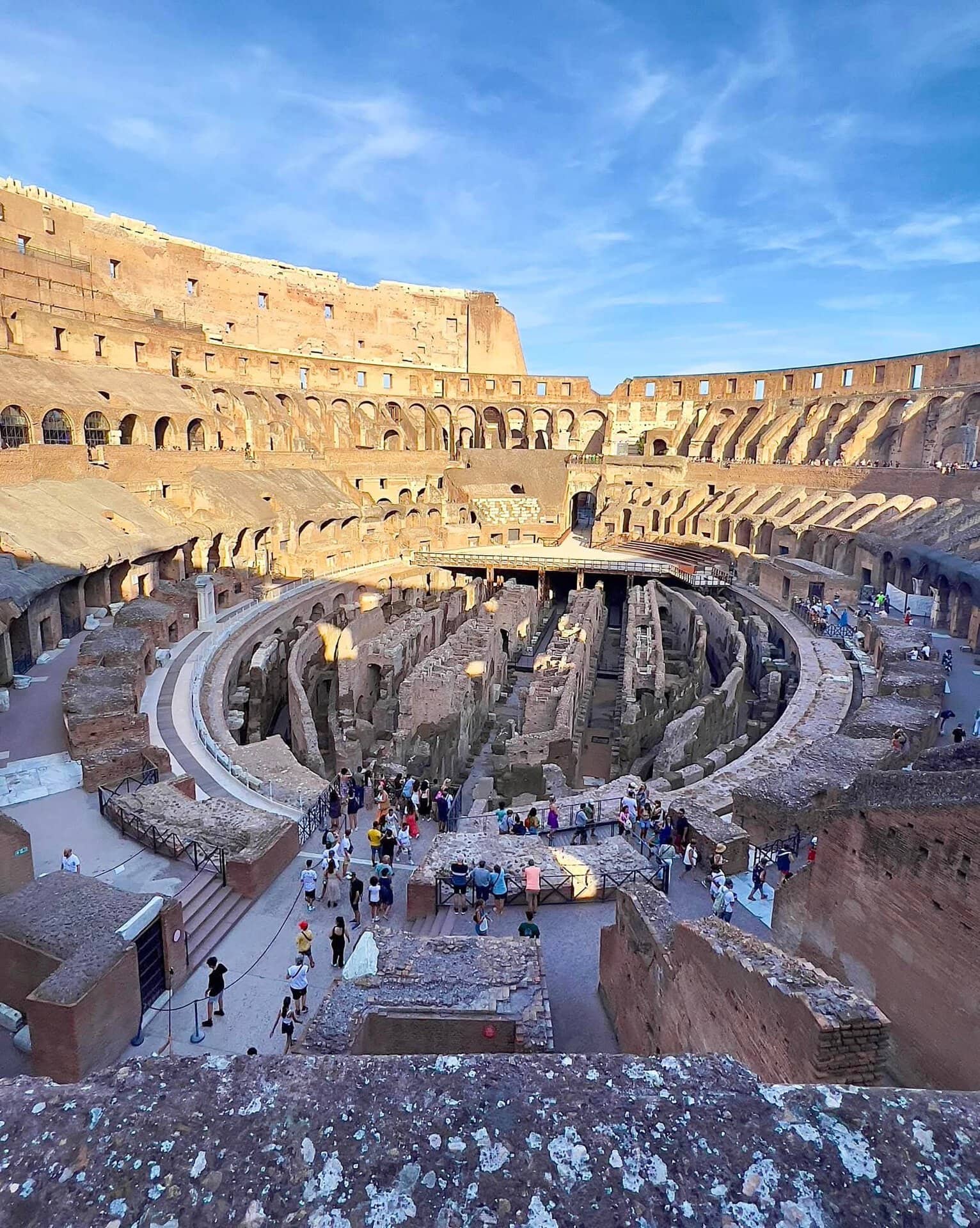
The amphitheatre belongs to a wider landscape of imperial residences, temples, politics and public life.
Damage, Reuse and Conservation
The Colosseum visible today is the result of centuries of change.
Earthquakes damaged substantial parts of the structure, while stone and metal were removed and reused elsewhere in Rome.
At different moments, portions of the monument were adapted to new functions.
Modern conservation work continues to stabilise and study a structure that has survived extraordinary transformations since antiquity.
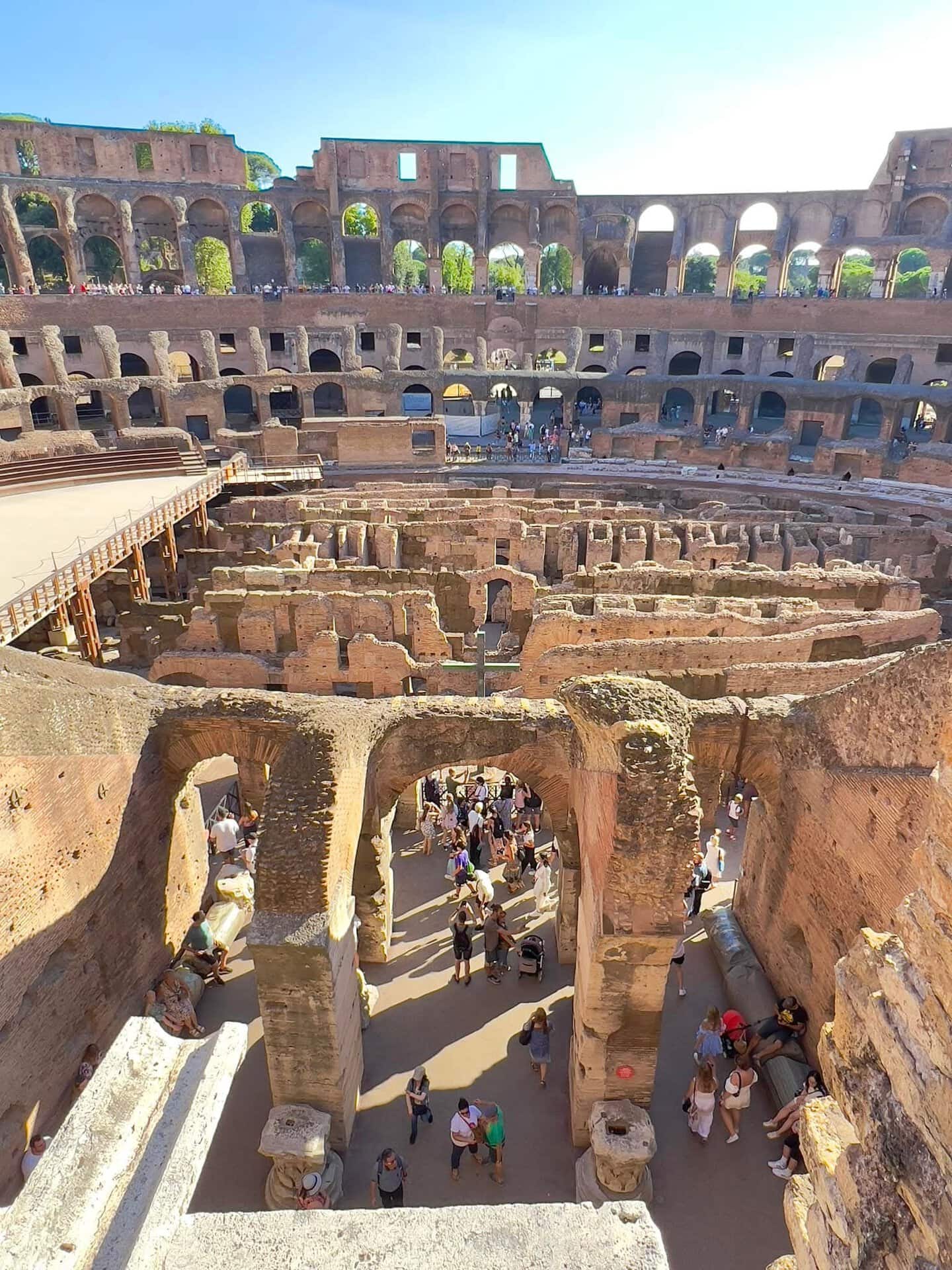
What survives today is the result of earthquakes, reuse, transformation and centuries of conservation.
Why Choose a Private Colosseum Tour?
The Colosseum contains far more history than can be communicated through a fixed script.
A private guide can shape the visit around the people travelling with you.
Families may focus on gladiators and the mechanics of the games. Architecture enthusiasts can explore engineering. Repeat visitors can concentrate on details overlooked during an earlier visit.
The result is a more flexible and coherent way to understand the monument.
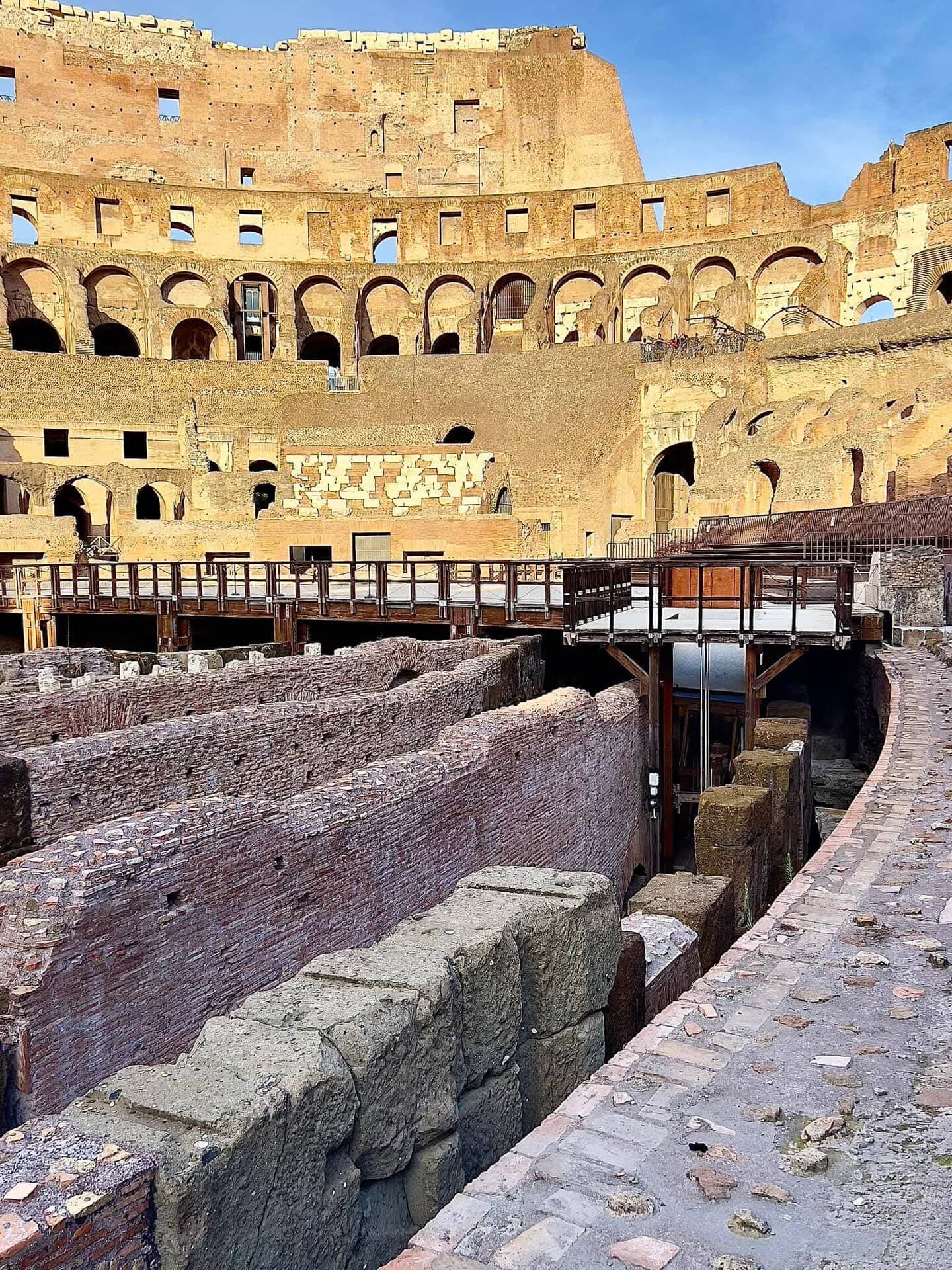
A private experience creates the time and freedom to understand the monument as one connected story.
Built Around Your Visit
Arena Floor, Underground and other restricted routes depend on official availability and monument regulations. We confirm the best available option for your date before preparing the final itinerary.
Rome’s most famous monument, explained as a functioning Roman building.
- The Flavian emperors and the construction of the amphitheatre
- Gladiators and Roman public spectacle
- The architecture of the arena
- The underground hypogeum
- Audience circulation and social hierarchy
- Imperial politics and public entertainment
- The survival and transformation of the monument
- Optional Roman Forum and Palatine Hill extension
Not simply where gladiators fought, but how Roman spectacle actually worked.
The Colosseum brings together architecture, politics, engineering, social hierarchy and mass entertainment on an extraordinary scale.
A private guide allows those elements to become one connected story rather than a sequence of ruins.
We can keep the experience focused on the amphitheatre or extend it into the Roman Forum and Palatine Hill for a deeper exploration of Ancient Rome.
Request a Proposal