
Santo Spirito in Sassia Private Experience
Only a few minutes from Saint Peter’s Basilica, one of Rome’s most extraordinary historic institutions remains almost invisible to the majority of visitors.
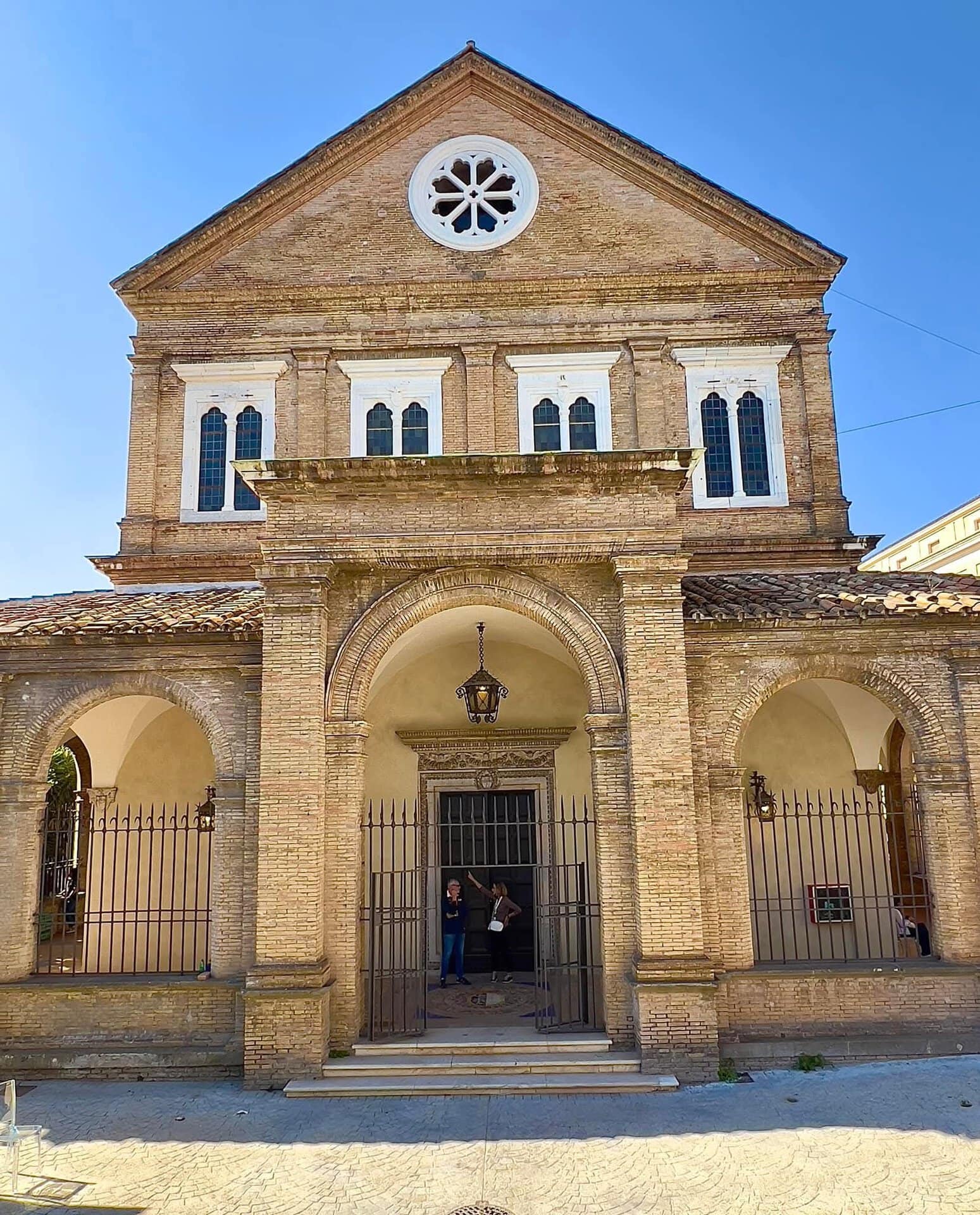
Santo Spirito in Sassia is a vast historic complex whose story connects medicine, charity, pilgrimage, architecture and the social history of Rome.
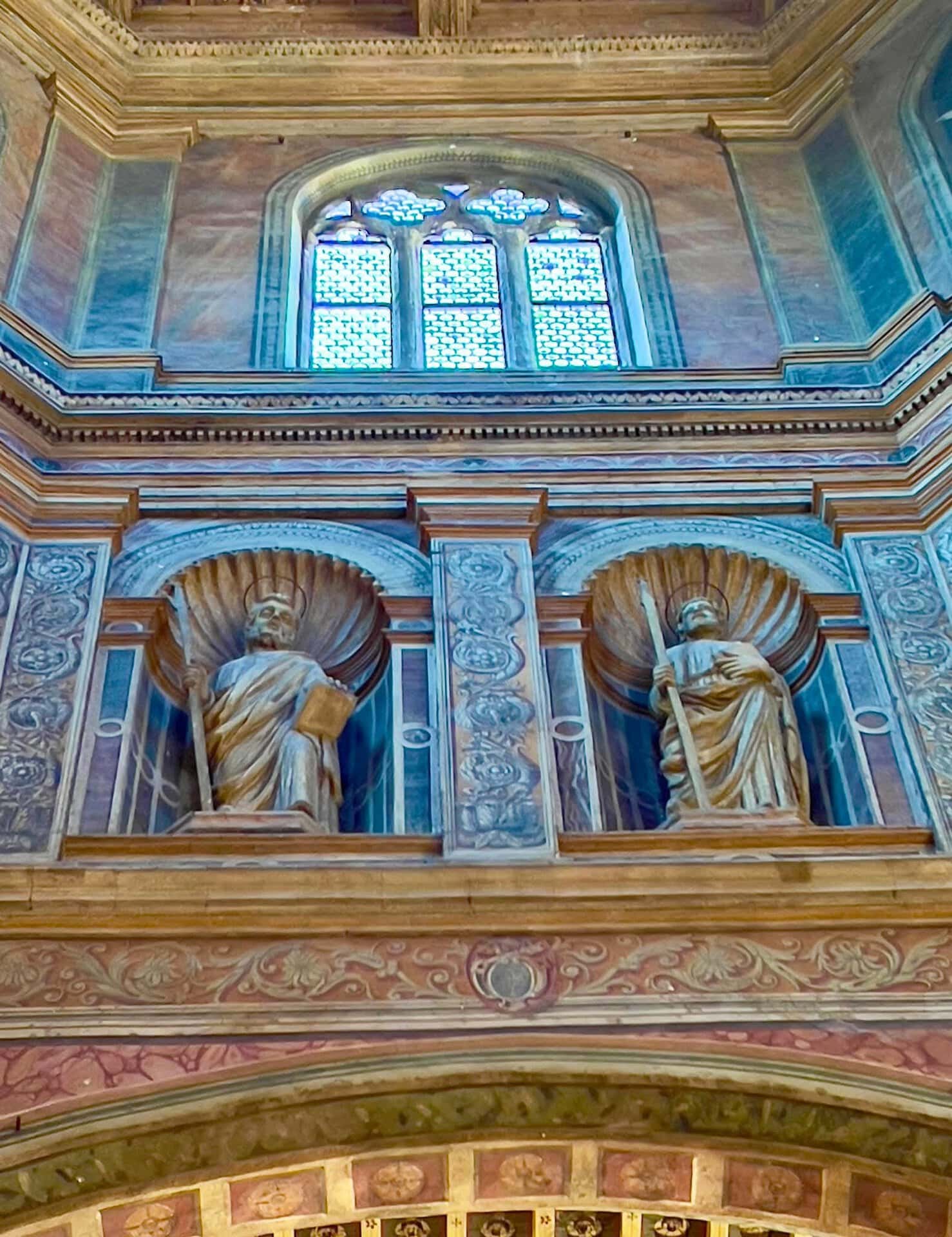
Monumental hospital halls, Renaissance courtyards, historic collections and specialist spaces reveal a side of the Vatican area very different from the traditional visitor itinerary.
When access can be arranged, the complex offers one of the most distinctive private cultural experiences in this part of Rome.
An Exceptional Place Few Visitors Discover
The location of Santo Spirito in Sassia is one of its greatest surprises.
It stands extremely close to Saint Peter’s Square, within an area crossed every day by enormous numbers of pilgrims and visitors.
Yet the historic hospital complex belongs to a different Rome: quieter, institutional and deeply connected with the history of care rather than monumental tourism.
This contrast makes the experience particularly valuable for returning visitors and travellers seeking something beyond the conventional Vatican programme.
Centuries of Medicine and Charity
Santo Spirito developed as one of Rome’s great institutions of care.
Its history brings together the assistance of the sick, care for pilgrims, charitable activity and the administration of a large religious and medical institution.
This makes the complex especially important for understanding a part of Roman history often overshadowed by emperors, popes and artists.
Here the focus shifts toward patients, doctors, administrators, religious communities and the practical organisation of public care.
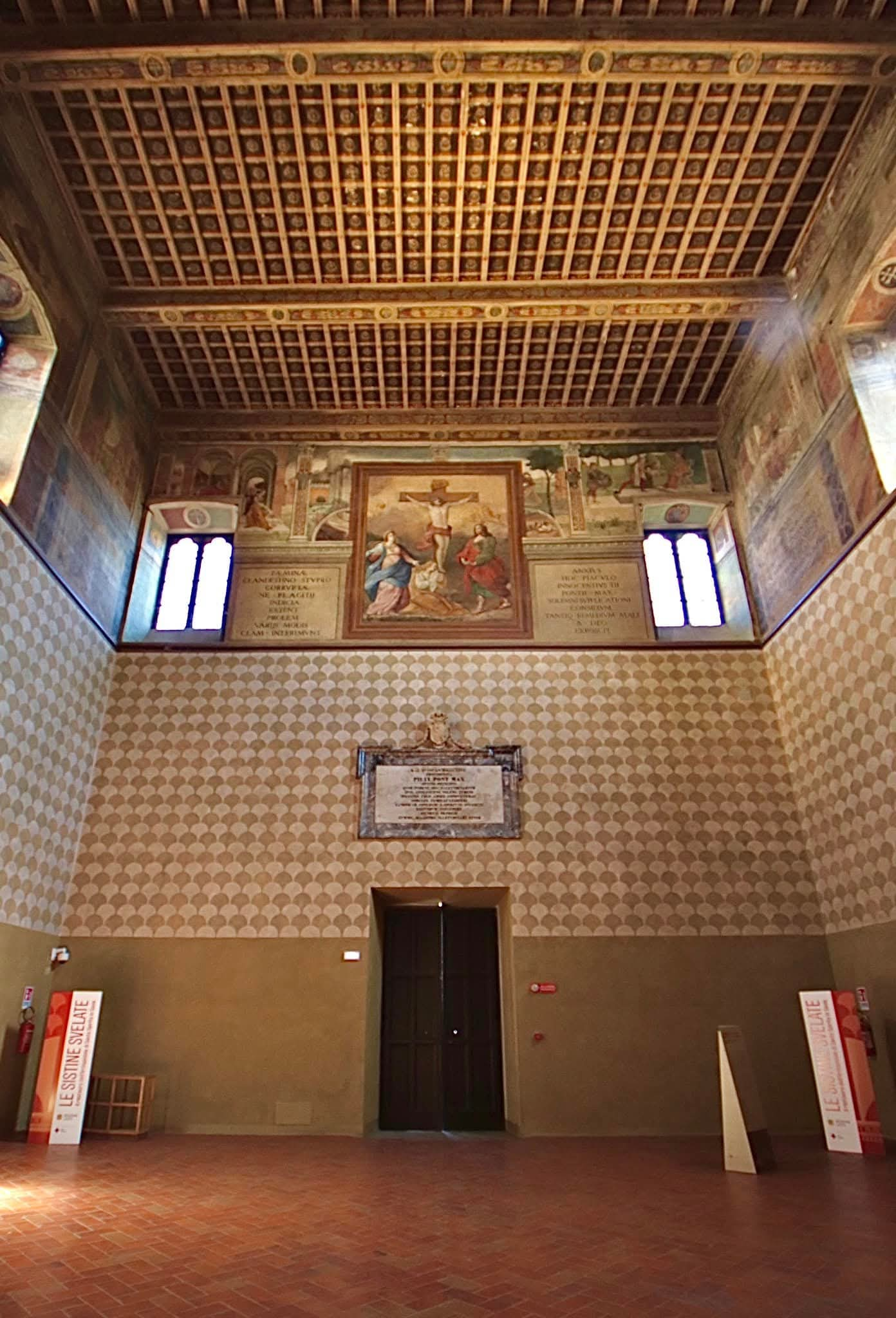
The Corsie Sistine
Among the most impressive spaces of the complex are the monumental hospital halls known as the Corsie Sistine.
Their scale reveals how seriously Rome approached the organisation of healthcare, charity and institutional assistance.
Long linear spaces, architectural decoration and historical imagery combine to create an environment that is both functional and monumental.
For modern visitors, these halls offer a rare opportunity to experience the history of medicine through architecture itself.
The monumental hospital architecture of Santo Spirito in Sassia. Photography by Claudio Colis.Not Popes and Palaces, but Patients, Pilgrims and Care
The history of the Vatican area is usually told through basilicas, papal apartments and artistic masterpieces.
Santo Spirito reveals another side: the institutions that cared for people arriving in Rome, treated the sick and organised assistance across generations.
It is one of the most human perspectives available on the history of this part of the city.
Palazzo del Commendatore
The complex includes spaces associated with the administration and leadership of the institution.
These interiors help explain how Santo Spirito functioned not merely as a hospital, but as a major organisation with its own governance, archives and cultural identity.
Architectural details and historic rooms provide a more intimate contrast with the monumental scale of the hospital halls.
Collections and the History of Medicine
Santo Spirito preserves material connected with the development of medical practice and the institutional history of healthcare in Rome.
These collections allow the story to move beyond architecture and into the practical world of medicine, instruments, scientific knowledge and professional training.
For visitors interested in medical history, this dimension can become one of the defining themes of the experience.
Medical and institutional heritage within Santo Spirito in Sassia. Photography by Claudio Colis.The Biblioteca Lancisiana
The historical importance of Santo Spirito also extends to scholarship and the transmission of medical knowledge.
The Biblioteca Lancisiana represents this intellectual dimension of the institution, connecting the practical care of patients with scientific study and professional education.
When included within an accessible programme, it adds another layer to a complex already remarkable for its scale and diversity.
A Hidden Institution Beside Saint Peter’s
Corsie Sistine
Monumental hospital halls revealing the architectural scale of historic healthcare in Rome.
Palazzo del Commendatore
Spaces connected with the administration and institutional history of Santo Spirito.
Historic Collections
Material connected with medicine, healthcare and professional practice.
Biblioteca Lancisiana
The intellectual and scientific tradition associated with one of Rome’s great medical institutions.
Beyond Saint Peter’s
A radically different historical experience only minutes from the Vatican’s most famous monuments.
Private Arrangements
Access may be available for selected cultural, private and corporate programmes.
Architecture, medicine and institutional memory.
A Visit Built Around Current Availability
Santo Spirito in Sassia is not presented as a conventional attraction with unrestricted access to every historic area.
The spaces that can be included depend on institutional schedules, restoration activity, venue requirements and the nature of the requested programme.
For this reason, every private experience is prepared individually and access is confirmed before the final itinerary is proposed.
Selected programmes may focus on architecture, medical history, charitable institutions or the wider history of the Vatican and Borgo area.
Practical Information
Discover a Different History of Rome
Santo Spirito in Sassia tells a story that rarely appears in standard Vatican itineraries.
It is a history of medicine, charity, pilgrimage, architecture and institutions that cared for generations of people in Rome.
When access is available, we can incorporate the complex into a private programme designed around your interests.
Request AccessPhotography by Claudio Colis · Used with permission